In March 2025, shoppers who landed on a US retail site from an AI assistant converted 38% worse than everyone else. In March 2026, the same traffic converted 42% better — a record, according to Adobe’s analysis of AI-sourced retail traffic. AI referrals to US retail sites grew 393% year over year in the first quarter.
That is a complete reversal in twelve months, and it changes what the traffic is worth. Reuters reports shoppers are expected to spend $8 billion this year after AI agents send them to retail sites, citing Juniper Research, and Adobe found AI-referred visitors generate 41% more revenue per visit than shoppers arriving through traditional channels. Adobe also measured 41% of US consumers using generative AI for online shopping in June.
The assistant hands the shopper over, then leaves
The detail that matters most to a small retailer is what the assistant does not do. OpenAI ended Instant Checkout in March, so ChatGPT now handles discovery and passes the shopper onward. That is what most retailers want. Reuters found Walmart, Ulta Beauty and Wayfair reworking their sites to rank in chatbot results while resisting any arrangement that moves the purchase — and the browsing and basket data behind it — onto someone else’s platform.
“We always want to be wherever our guest is,” Ulta Beauty’s head of digital and e-commerce Josh Friedman told Reuters, “there’s always a tax for engaging customers on other people’s platforms.” Etsy’s chief product and technology officer Rafe Colburn framed the arrival as “the start of a deeper relationship, and not just one that’s always intermediated by ChatGPT.”
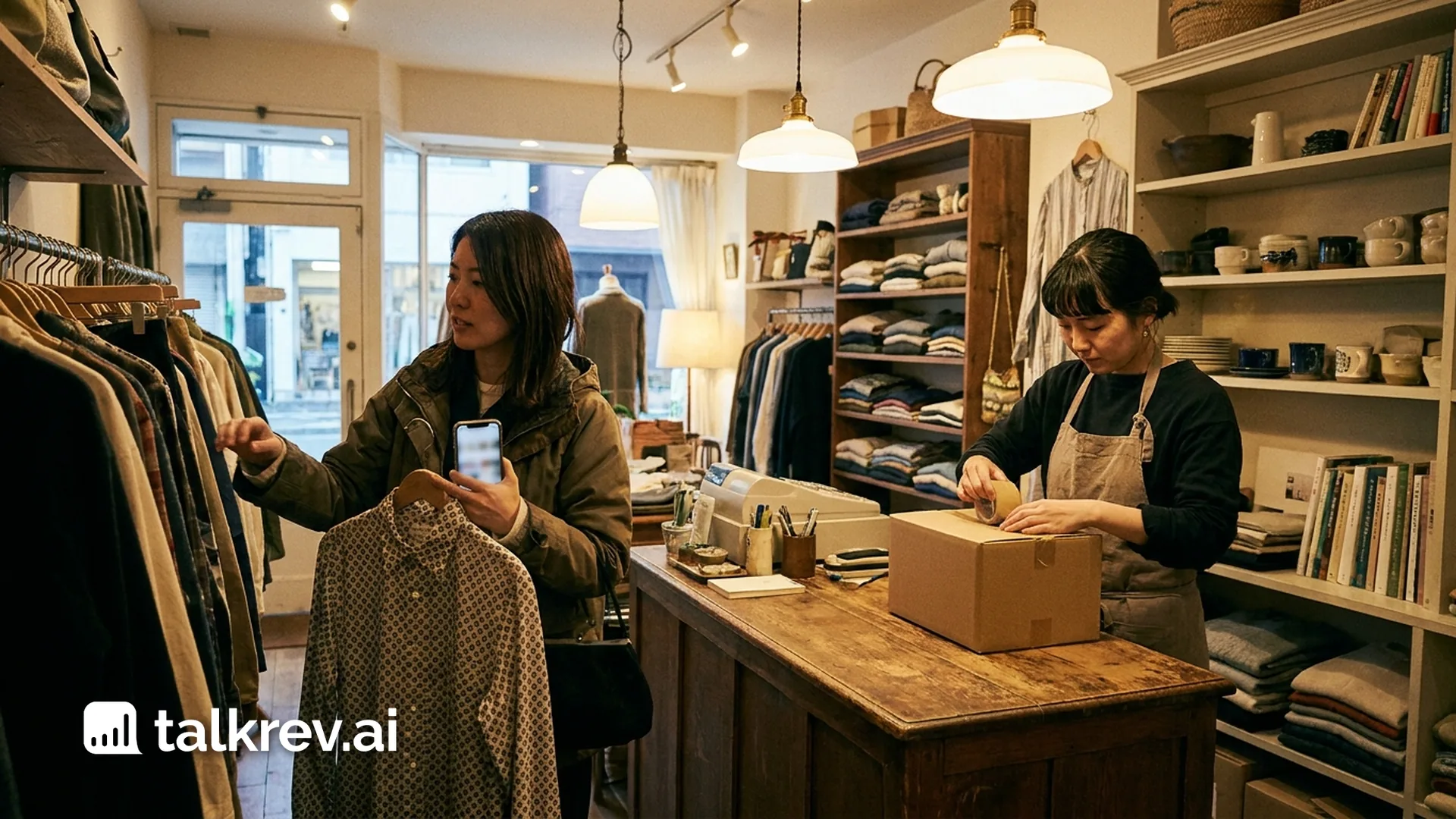
So the sale is decided on your side of the handoff. The visitor arrives already researched, stays 48% longer and views 13% more pages — and arrives with the questions the assistant could not answer: does this fit, is it in stock at the store near me, how do returns work, when does it ship. Whether you run a boutique or a specialty e-commerce shop, that conversation is now the one deciding your conversion rate.
Your weakest page is the one that sells
Adobe also scored how much retail site content machines can actually read. Homepages average 75% and category pages 74%. Product pages — where the buying decision happens — score 66%. A third of what sells your product is invisible to the assistants sending you shoppers.
Service content does better: returns and exchanges score 82%, FAQ 80%, contact pages 81%. And the spread between retailers is wide. The best performers score 82.5%; the weakest, 54.2%.
Where to start before the next traffic spike
Open your own analytics and filter referrals from ChatGPT, Gemini, Perplexity and Claude. You are looking for the size of that slice and where it lands. If it arrives on product pages, read three of those pages as plain text with images and scripts stripped: price, sizing, materials, stock, shipping windows and return terms should all be there in words, not locked in a widget or an image.
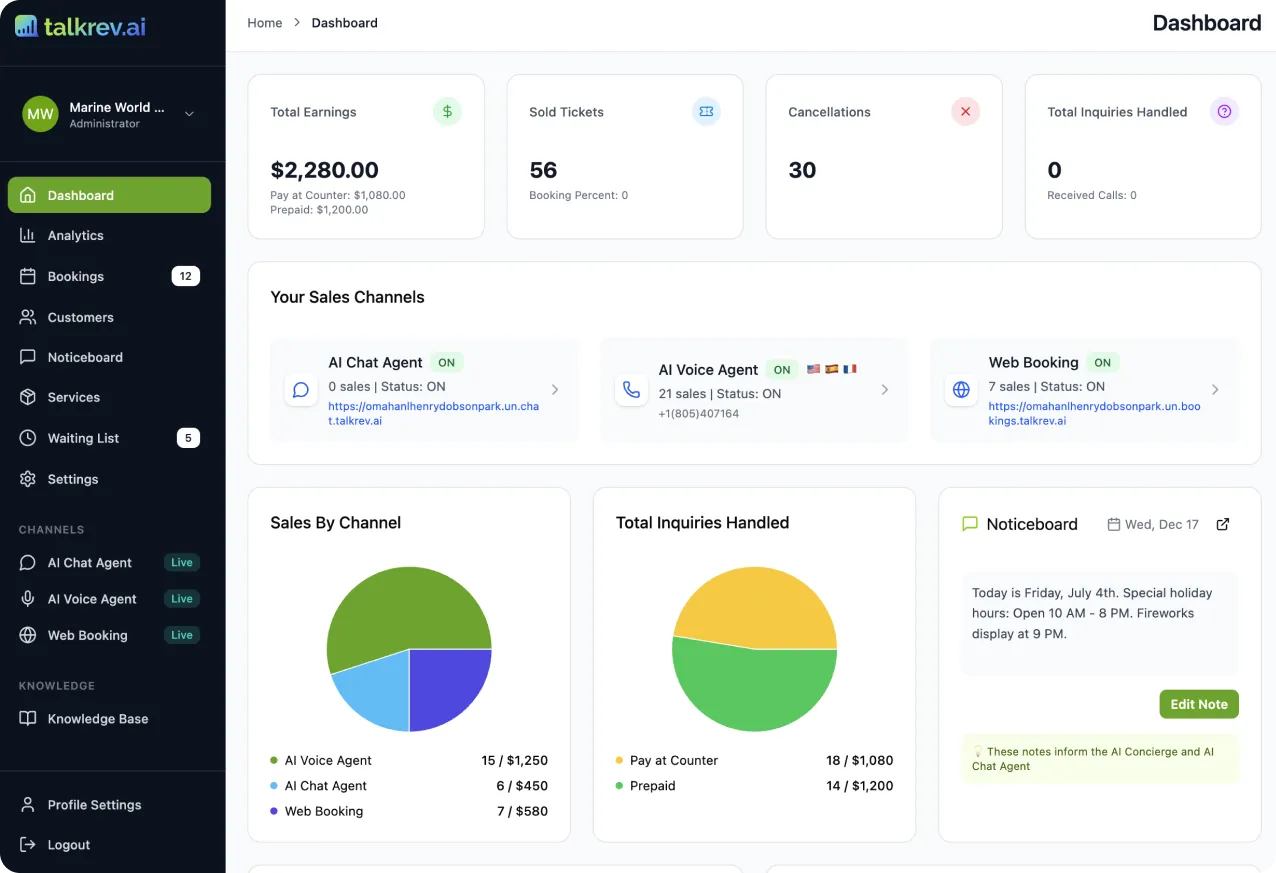
Then handle the arrival. AI-referred shoppers show up mid-decision and expect an answer immediately, at whatever hour the assistant sent them — and the same handful of questions repeat all day. If your answer today is a contact form and a next-business-day reply, that visit is worth 41% more revenue to someone else. Have something that answers every message and call the moment it comes in, on the site, on WhatsApp, on the phone, without adding a person to the floor — here is what that looks like across channels.
Do the audit this month. Holiday 2025 saw AI traffic to retail jump 693% year over year, and the next peak will land on whatever your product pages say then.
Working in retail & e-commerce? See how TalkRev works for Retail & E-commerce.
The TalkRev blog
One short email per new post
No ads. Unsubscribe anytime.