AI Chatbots vs. AI Agents: What's the Real Difference (and Why It Matters for Small Businesses)
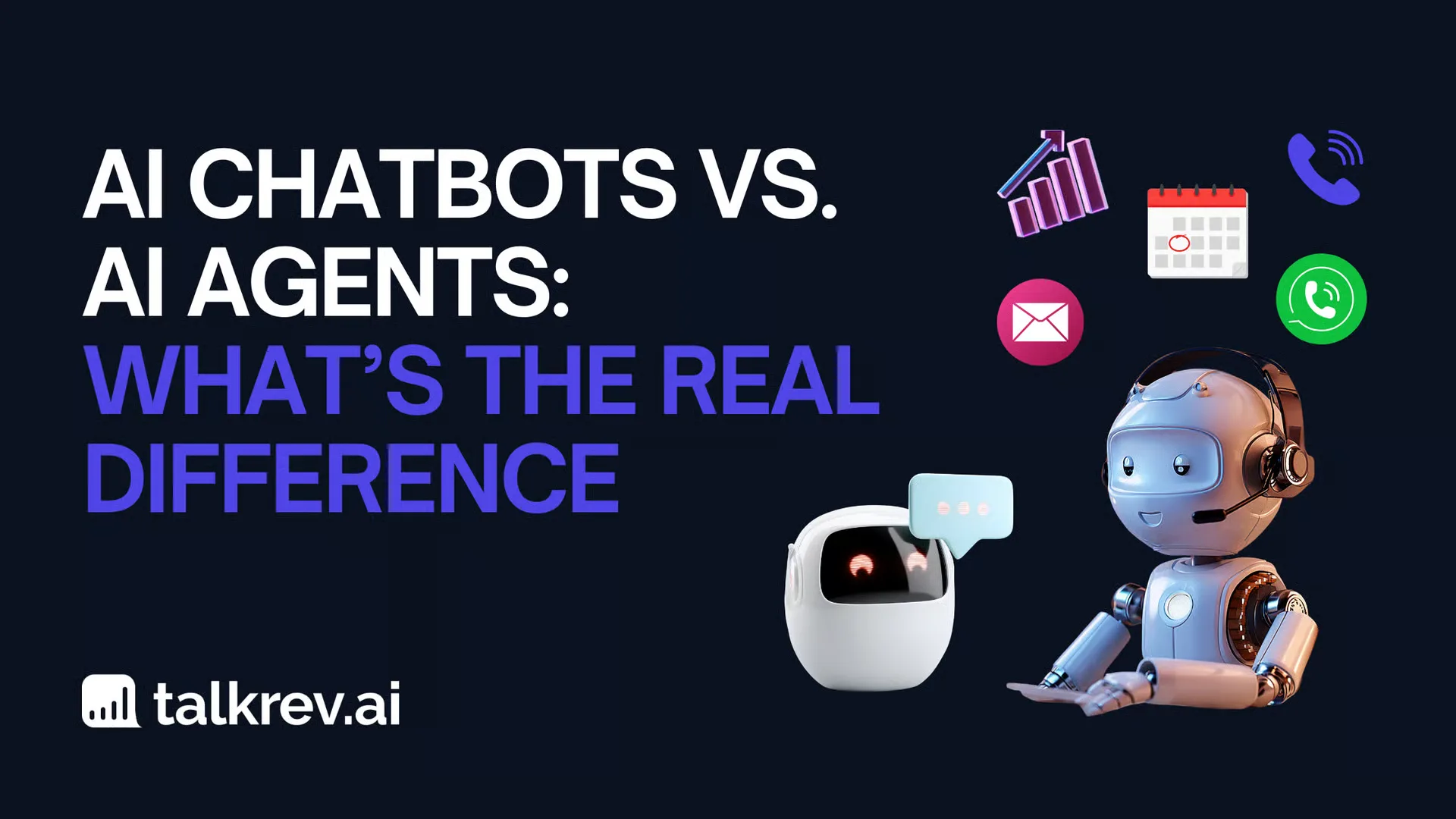
Customer service technology has evolved fast. What used to be simple chat widgets with scripted answers has now shifted into something far more capable: AI agents. And as more companies talk about “agents,” it’s becoming essential to understand what these systems are — and how they differ from traditional chatbots.
This guide breaks down the difference in clear, practical terms so you can decide what your business truly needs.
What is an AI chatbot?
Chatbots were the first generation of automated customer messaging. They follow predefined rules, recognise certain keywords, and return scripted responses.
They are useful for:
- answering FAQs
- sharing hours, prices, and basic info
- simple troubleshooting
- guiding users through fixed flows
- linking users to booking or payment pages
Chatbots rely on basic natural language processing (NLP). They simulate conversation, but they don’t understand context or intent the way modern AI does.
Think of a chatbot like a vending machine: predictable, limited, and helpful — as long as you’re asking for something it already knows how to provide.
What is an AI agent?
AI agents (also called autonomous agents) are a newer, more advanced category of AI assistant. They are designed to reason, make decisions, and take action, not just reply.
Built on large language models (LLMs), AI agents can:
- understand nuanced, conversational requests
- analyse information from multiple sources
- plan multi-step solutions
- use external tools (calendar, CRM, menu, booking system, database)
- execute tasks independently
- personalise answers to your business
- adapt as they learn
Instead of waiting for questions, AI agents work toward goals.
A chatbot answers, but an agent completes the task.
If a chatbot is a vending machine, an AI agent is a personal chef — understanding your request, checking your ingredients, adapting to your preferences, and preparing the entire meal.
Key differences between chatbots and AI agents
1. Level of understanding
Chatbots: Match keywords to scripts. Limited contextual understanding.
AI agents: Interpret intent, context, tone, and past interactions to generate accurate, personalized responses.
2. Ability to take action
Chatbots: Respond but rarely do anything.
AI agents: Execute tasks — booking appointments, updating records, qualifying leads, resolving issues, confirming changes. They move beyond conversation into workflow automation.
3. Complexity of tasks
Chatbots: Best for predictable, rule-based interactions.
AI agents: Capable of multi-step, dynamic workflows that change depending on the situation.
4. Training required
Chatbots: Need extensive setup: scripts, intents, flows, rules, keywords.
AI agents: Learn faster, require less configuration, and adapt over time.
5. Customer experience
Chatbots: Structured, linear, sometimes robotic.
AI agents: Natural, conversational, personalised — closer to interacting with a human assistant.
6. Integration with tools
Chatbots: Limited tool access.
AI agents: Connect with calendars, CRM, databases, booking systems, product catalogs — then use that information to get work done.
When does a business need a chatbot vs. an AI agent?
Use a chatbot if you need:
- basic FAQ support
- predictable responses
- a low-cost entry into automation
- a simple support assistant
Use an AI agent if you need:
- appointment booking and schedule management
- multi-step customer support
- personalisation at scale
- fewer repetitive inquiries
- real-time decision-making
- task automation, not just messaging
Most modern service-based businesses fall into the second category.
Where TalkRev fits in
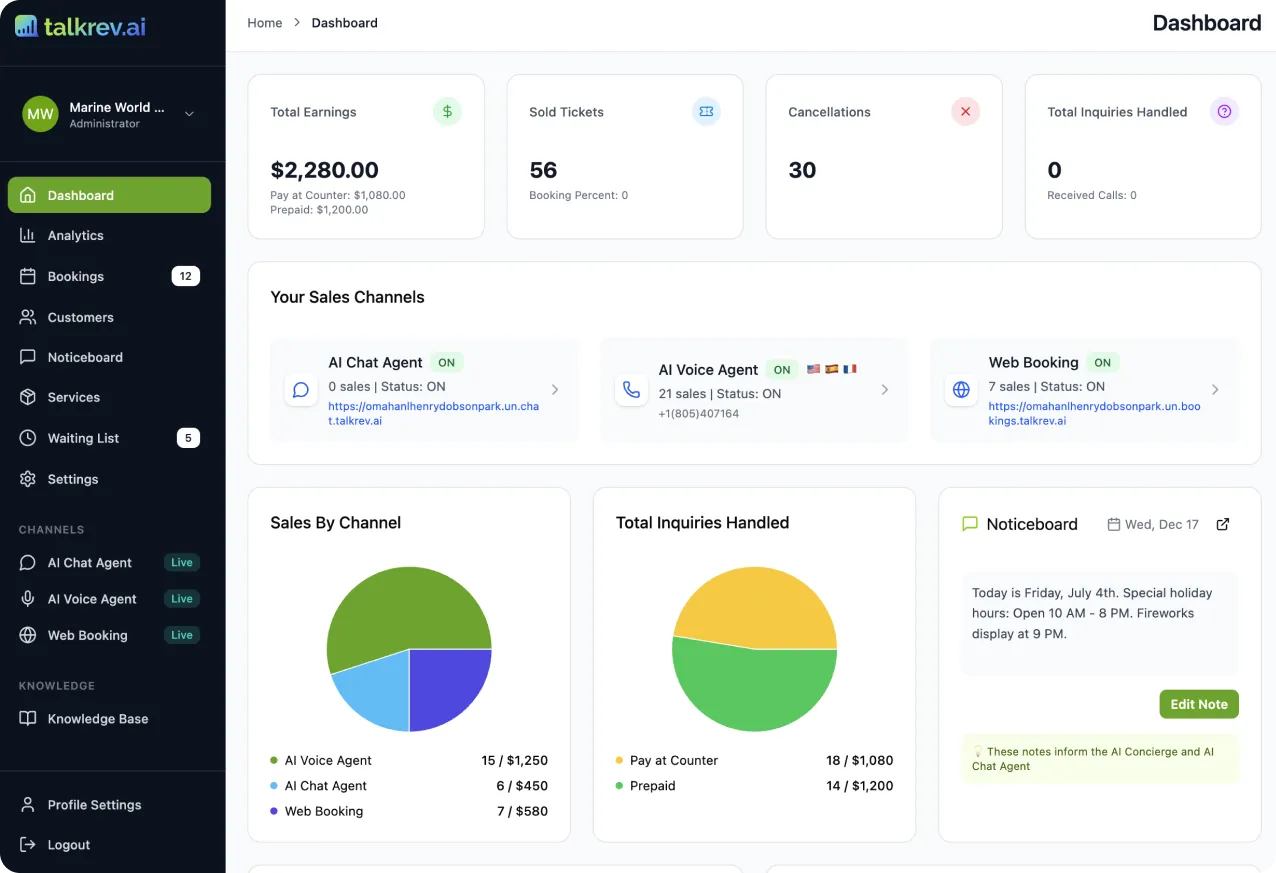
Unlike chatbots, TalkRev’s agent:
- understands real customer intent
- uses your service list, prices, and policies
- checks availability
- handles bookings end-to-end
- keeps your tone consistent
- ensures no inquiry is missed
It doesn’t just respond. It works — so you don’t have to.
Final takeaway
The difference is simple:
- Chatbots = answer questions.
- AI agents = solve problems and complete tasks.
If your business wants to reduce manual workload, automate booking, and deliver fast, consistent support — an AI agent is the future-proof choice.
The businesses adopting agents now won’t just keep up. They’ll be way ahead.
The TalkRev blog
One short email per new post
No ads. Unsubscribe anytime.