OpenAI announced “Businesses in ChatGPT” on 10 November, and it looks a great deal like a business directory. Through a new Business Hub, a company can claim the listing the assistant already shows for it, pass a verification step, then correct its details and add a product feed with prices and availability. The hub reports aggregated numbers back: profile views, how often ChatGPT mentioned the business, clicks through to the website. TechCrunch, which compared the insights panel to Google Analytics, noted the listings themselves closely resemble what Google and other search engines offer.
The reach is what makes it worth ten minutes of your week. OpenAI puts ChatGPT at 1.2 billion users weekly. Until now, a salon or a dental practice had no way to see what the assistant was telling those people about it, let alone fix it. Benji Shomair, OpenAI’s VP of monetisation, would only say the company uses “multiple verification methods that we use for different types of business in different markets.”
What is on offer today, and what is not
There are two tiers, and the difference matters. Claiming and verifying a profile is open to businesses in markets where ChatGPT operates. The second tier — a Business Agent, an AI that answers customer questions about your products inside ChatGPT itself — is rolling out first to eligible e-commerce and online service businesses in the US, with Shopify merchants able to connect straight from the Shopify admin. A three-chair barbershop or a single-location clinic is not on that list. OpenAI says only that it will expand to more countries and categories over time.
Two more limits to plan around. The insights appear only once interactions pass thresholds OpenAI has not published, so a small local business may see nothing for a while. And OpenAI does not pass user conversations or Business Agent chats to the business — the profile tells you that you were mentioned, never what was asked.
It is also worth remembering that OpenAI tried direct purchasing inside ChatGPT, retired the checkout cart in March 2026, and admits it never gained traction. A directory is the cheaper, stickier bet, which is exactly why this one is likely to last.
The listing ends where your phone begins
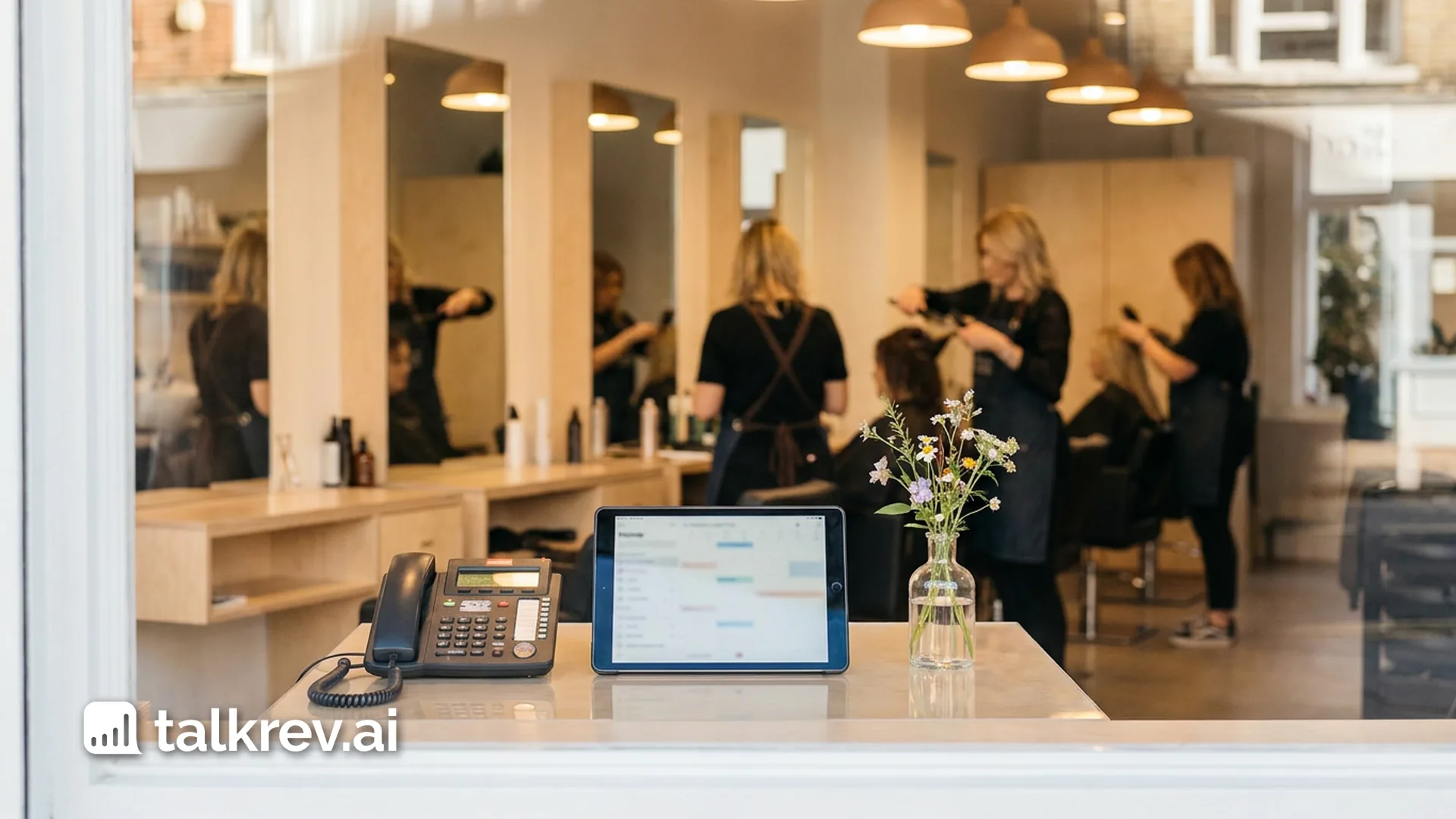
That is the honest read for a salon, spa or clinic. Claiming the profile fixes what ChatGPT knows about your services, hours and prices. It does not answer anyone. A person asking where to get a keratin treatment on Saturday now gets a cleaner answer about you — and then does what they have always done. They ring, or they message.
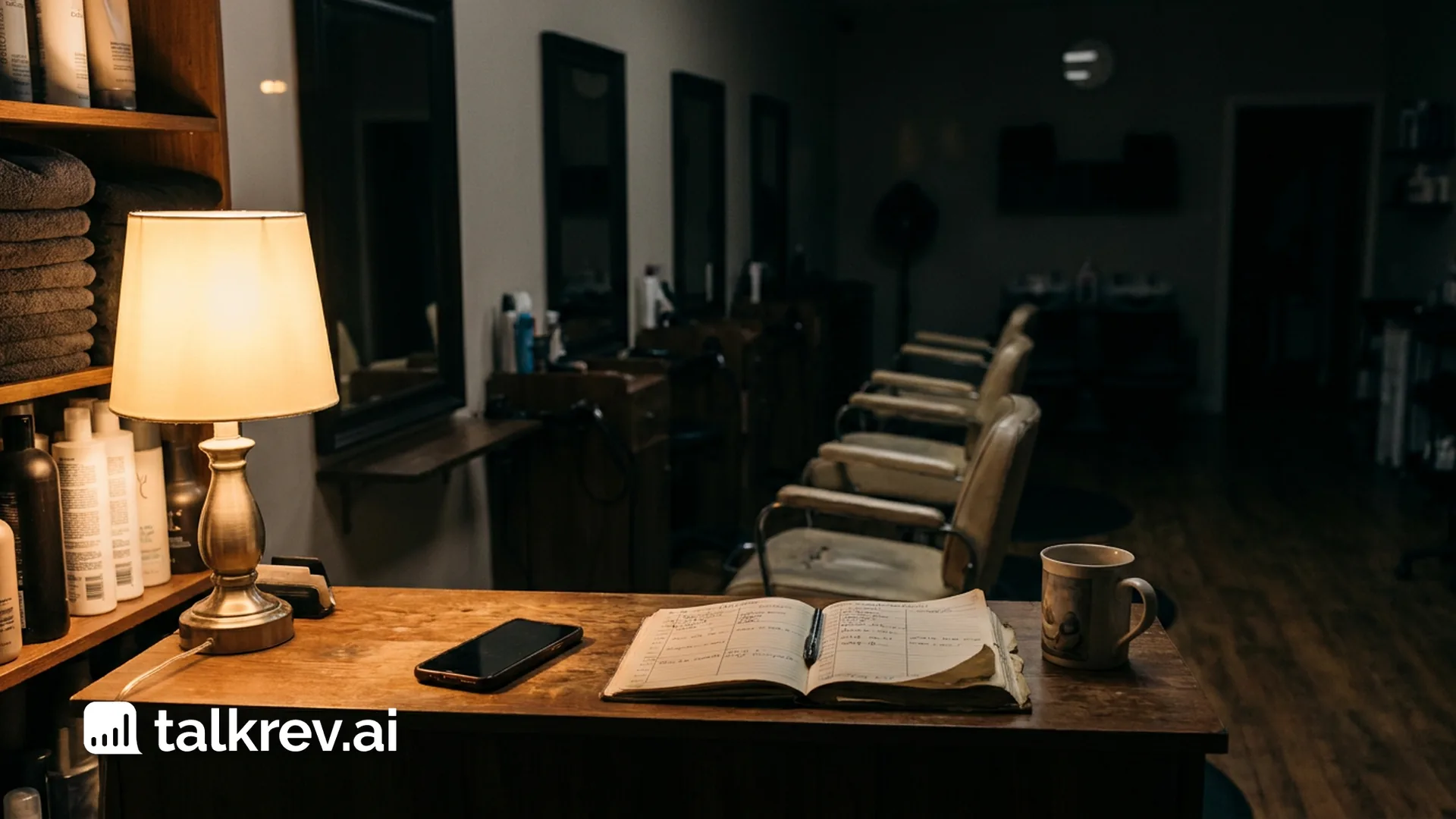
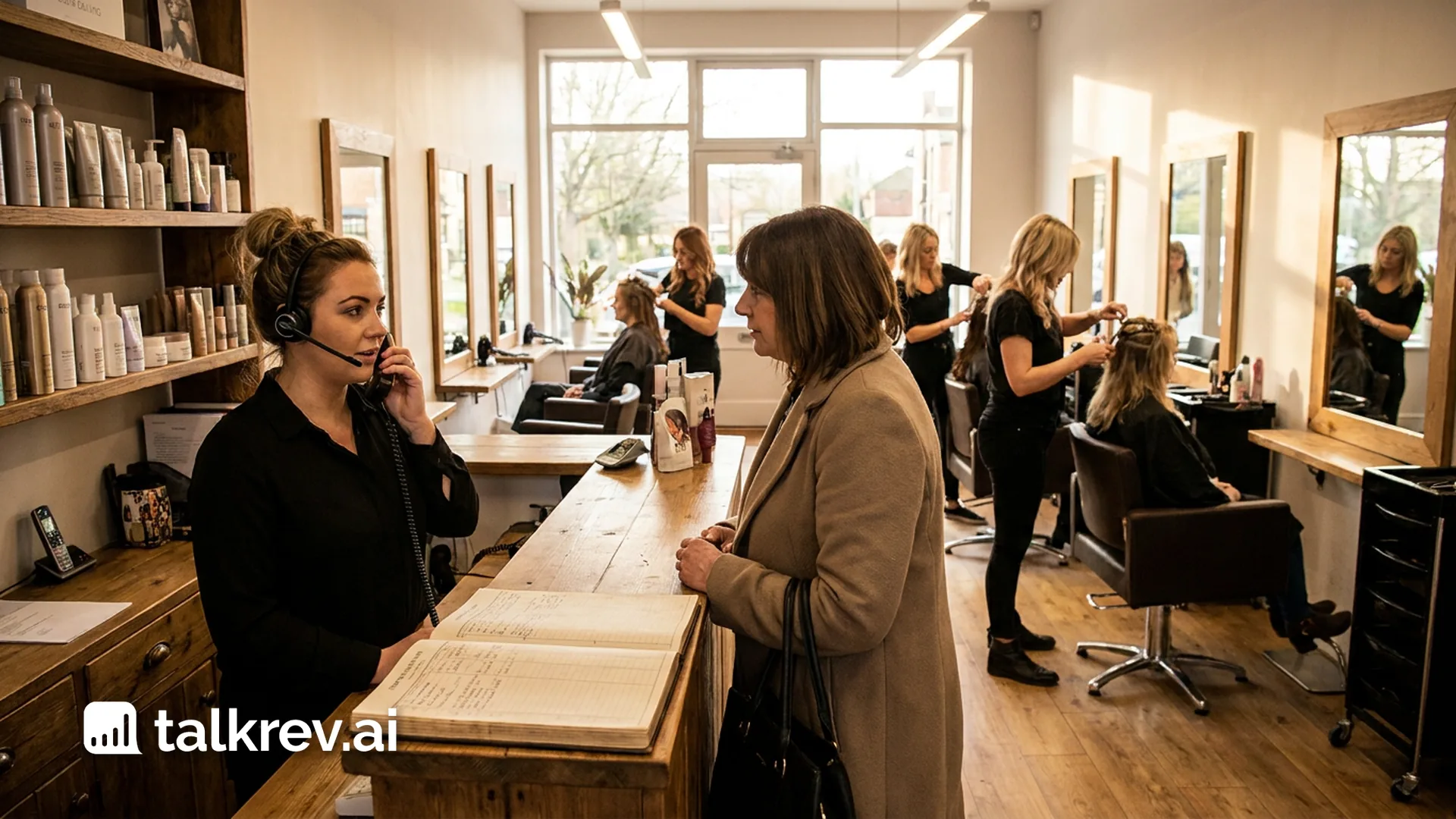
Which is where it leaks. The front desk is mid-colour when the phone goes. The question arrives at nine in the evening. Someone wants to move Thursday to Friday and gets voicemail, so they book elsewhere. Better discovery just raises the volume of enquiries hitting a desk that already misses some of them.
What to set up this month
Claim and verify the profile first, then audit it against reality: full service list, correct durations, actual prices, real opening hours. Wrong data is now your fault rather than the model’s.
Then measure the hand-off. For one week, log every inbound call and message, and mark which went unanswered or unanswered for more than an hour. That number — not the mention count — is what a new discovery channel multiplies.
If the unanswered column is not near zero, fix the answering before you chase more visibility. Covering calls, texts and chat with one agent that books against real availability, quotes from your own service list and escalates anything clinical to a person is the part OpenAI is not giving local operators yet, and the part that turns a cleaner listing into a filled chair.
Working in wellness & personal care? See how TalkRev works for Wellness & Personal Care.
One short email per new post
No ads. Unsubscribe anytime.