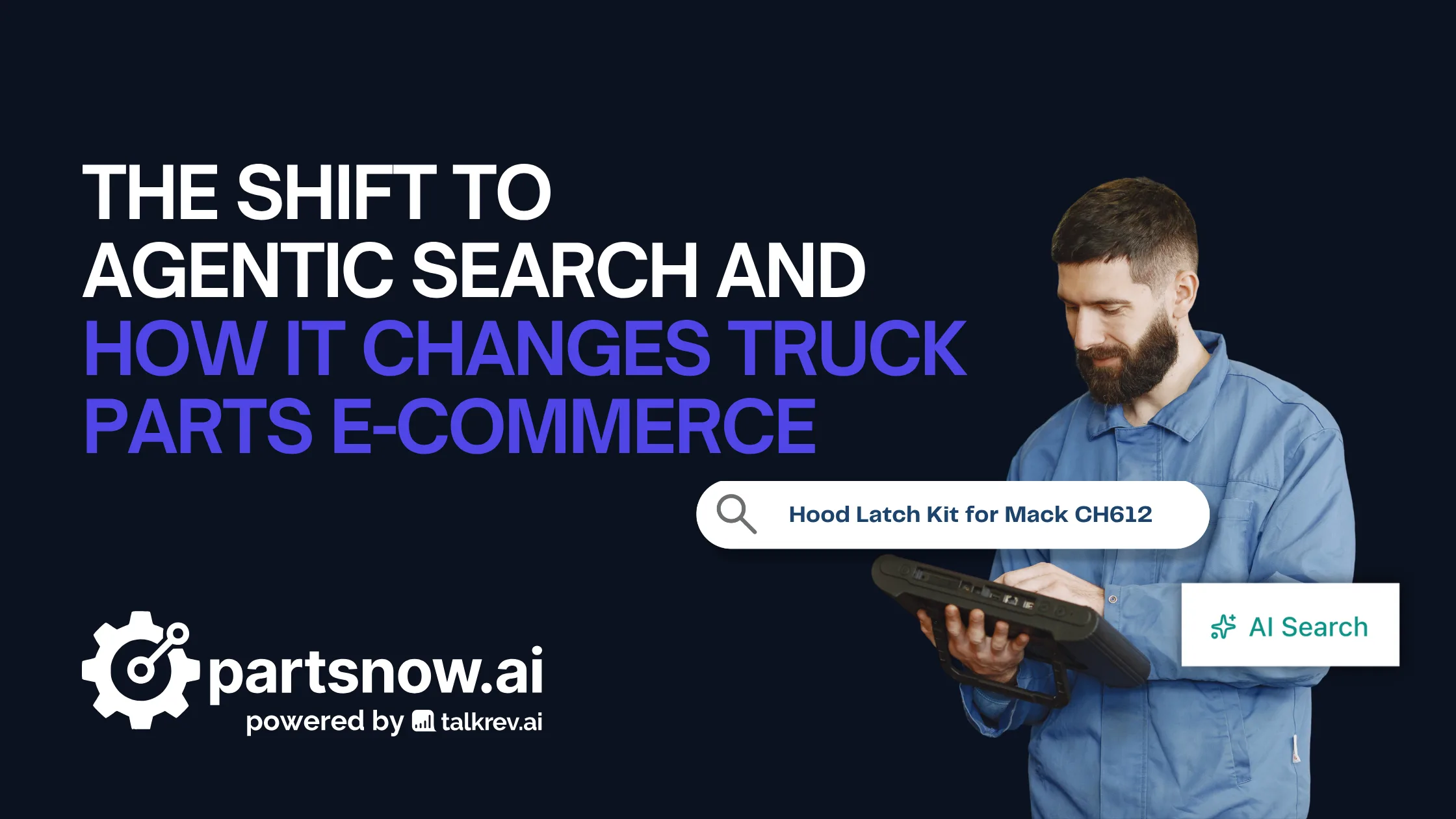
ChatGPT's Agents Can Now Pay at Checkout. Parts Sellers With Clean Listings Get the Order
AI & AutomationBlog
On 13 November OpenAI launched ChatGPT Wallet, which lets its personal agents, which it calls dots, help a user choose items and then complete the purchase. TechCrunch reports that access starts with a limited group of US ChatGPT Pro subscribers aged 18 or older, paying with a US-issued Visa, Mastercard or American Express card. The user reviews the items, the total and the card, then approves with Face ID or a fingerprint.
The detail that matters for a parts seller is where the sale happens. Purchases run through the merchant’s existing checkout, not inside ChatGPT, and Digital Commerce 360 reports that businesses keep “control over pricing, fulfillment, returns, and customer service,” per OpenAI. The card number never reaches the agent or the merchant. The payment network issues a token instead.
Small today, aimed at your checkout
Volume will be small for a while. The rollout is limited, OpenAI has not named a retailer that accepts Wallet yet, and TechCrunch notes that DoorDash and Uber have reported low numbers of orders placed by AI agents. Some retailers block agents outright. Amazon is the largest.
The direction is still clear. OpenAI started with checkout inside ChatGPT in September 2025 and moved to purchases through merchant apps in March 2026, according to the same Digital Commerce 360 report. Now the agent can carry an approved card to any store’s own checkout. A buyer who already asks ChatGPT to identify a part from a description can let it finish the order too.
What an agent needs from a parts listing
An agent cannot ask the person at the counter. It reads what is published and either finds enough to buy or moves on to a seller where it can. For heavy-duty parts, that comes down to a few fields that are often missing online:
- Part number plus cross-references, so an OEM number and its aftermarket equivalents land on the same page.
- Fitment written as text: make, model, year range, and axle or engine where it matters.
- Price and stock that match the warehouse today, not last month’s sheet.
- Core charge, freight on long or heavy items, and the return rules for electrical parts.
OpenAI’s own partner guide for merchants asks for the same basics: a current feed “of products, images, prices, and availability,” and a check on whether your CDN or firewall blocks verified ChatGPT browser visits. If your site sits behind a bot wall, an approved purchase can fail before it starts, and it never shows up in your reports.
What to do this month
Search your own ten best-selling part numbers in ChatGPT and read what it says about price, stock and fitment. Where it is wrong or blank, the fix is on your site, not in ChatGPT.
Ask whoever runs your website two questions. Does the firewall block verified AI agents? And does checkout work for a buyer who arrives with a card already approved?
Then look at the questions an agent cannot settle on its own: whether a part fits a specific VIN, whether a core is returnable, when freight will arrive. Those still come to you by phone or chat, often after hours, from a buyer who expected an answer in seconds. An agent that answers them from your own catalog and policies, in English or Spanish, gives that buyer a reason to stay instead of trying the next seller on the list. You can see how this works for distributors and shops on our heavy-duty truck parts page.
Working in heavy-duty truck parts? See how TalkRev works for Heavy-Duty Truck Parts.
One short email per new post
No ads. Unsubscribe anytime.