On August 6, Google switched on food ordering inside Ask Maps, the conversational layer in Google Maps. A diner can type or say something like “order spicy pad kee mao with seafood for me to pick up on my way home,” and Maps will find open restaurants along the route, weigh saved places and dietary preferences, build the cart and check out — without the diner opening a browser tab. Square and Toast are the launch partners, with Uber Eats coming soon. Ordering is US-only for now; the rest of the Ask Maps update ships globally.
The plumbing is the interesting part. Toast says orders placed this way run through its own first-party ordering system, so operators add volume without third-party commission fees. Square says its US food and beverage sellers surface automatically once a Google Business Profile is active — no API to build, no new contract, no added fee — with menus, hours and location syncing from the Square Dashboard, and orders dropping into the POS and kitchen display already on the counter.
This is a rail, not an integration
Google, Toast and Square are also building out the Universal Commerce Protocol for Food, an open standard for how AI agents discover, order from and check out with restaurants across Search, Maps and Gemini. Toast’s framing is that the standard lets restaurants keep control of sales, menu, pricing and guest relationships.
Treat that as the real news. A single Maps feature is something you evaluate next quarter. A protocol that several POS vendors and one search monopoly agree on is infrastructure, and once it settles, not being on it stops being a neutral decision. If you run on Toast or Square in the US, you are likely already reachable. If you run on something else, the question for your vendor this month is what their UCP plan is.
Your menu data just became your storefront
None of this works off your website copy. It works off structured data — items, modifiers, prices, hours, allergens — living in your POS. An agent choosing between three places on a commuter’s route reads what it can parse. A menu with last spring’s prices, a seasonal item you stopped making, or hours you never fixed after changing your Sunday close will quietly cost you orders, and you will never see the ticket that didn’t arrive.
This is unglamorous work: claim the Google Business Profile, clean the POS menu, get modifiers and dietary tags right. It is also now the highest-leverage hour a restaurant operator can spend.
The exceptions still ring your phone
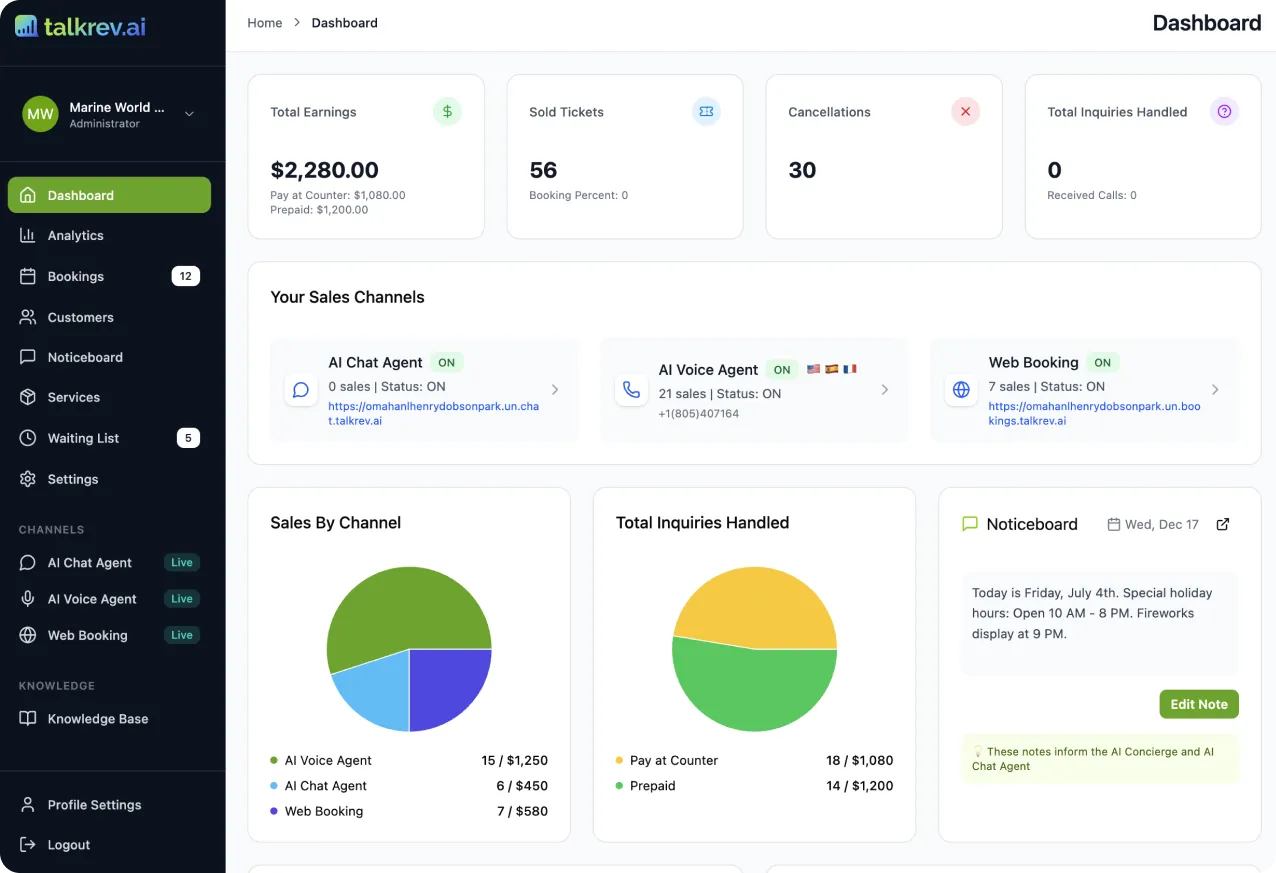
Agentic ordering absorbs the easy transaction — one person, known dish, pickup. It does not absorb the table for nine on Saturday, the private dining enquiry, the catering quote, the “is the patio open in this weather,” or the allergy question a guest wants answered by a person before they commit. Those still land on your line, usually during service. More automated top-of-funnel volume tends to increase that exception traffic rather than shrink it, which is exactly the load a conversational agent for food and beverage is meant to carry — booking, waitlist, menu and allergen questions handled instantly so the floor keeps moving.
One date worth marking: Toast plans a $5 Toast Cash incentive for Ask Maps orders over $30 starting late August. Expect a burst of first-time agent-placed orders around then. Whatever your menu data says that week is the version of your restaurant a lot of new diners will meet.
Working in food & beverage? See how TalkRev works for Food & Beverage.
The TalkRev blog
One short email per new post
No ads. Unsubscribe anytime.