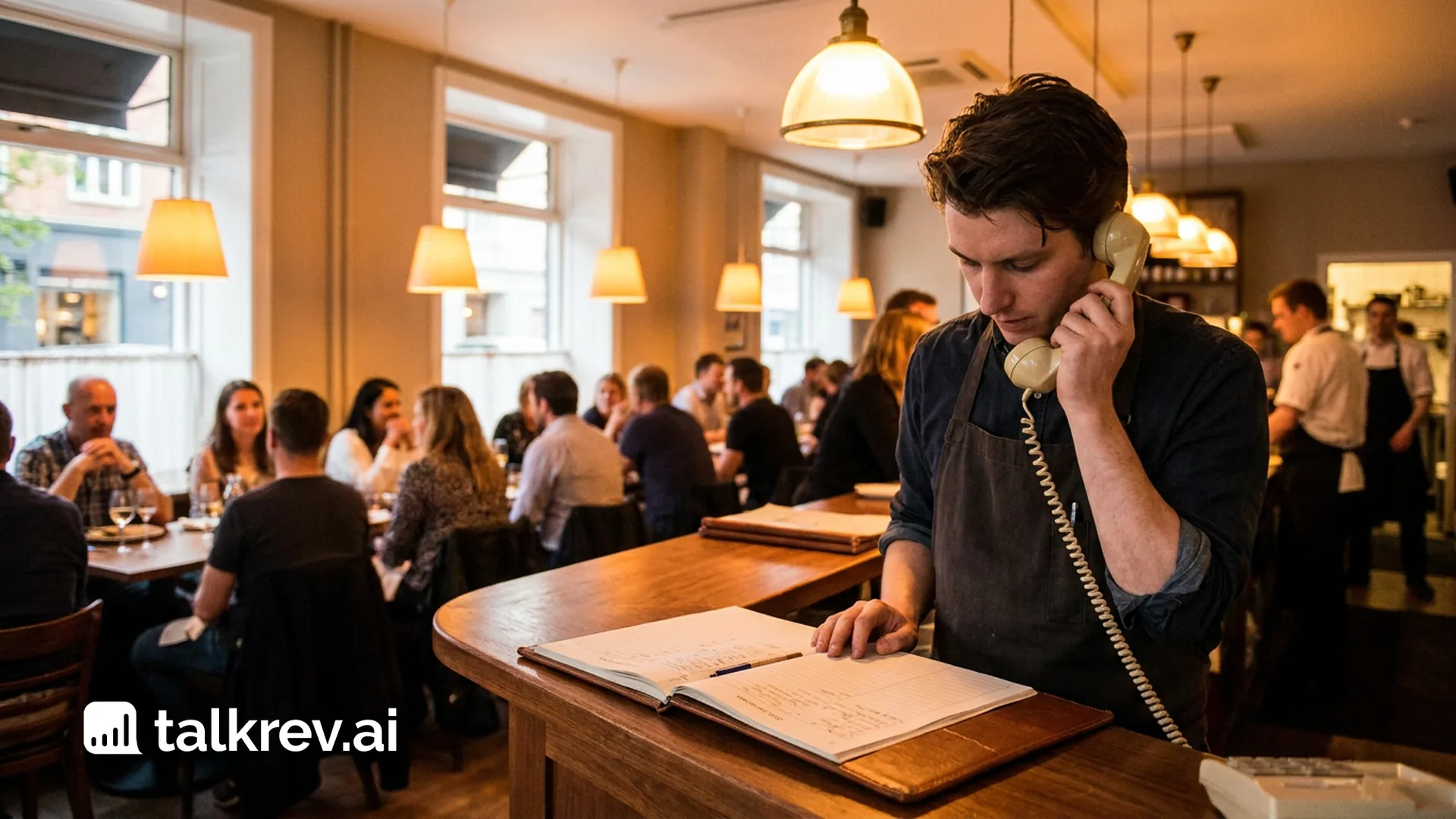
Buried in OpenTable’s largest-ever product release is a number that should change how a restaurant thinks about its phone line: voice AI partners seated three million diners on the platform this year, a 270% increase over the same period in 2025. Not a pilot, not a demo — three million real covers, booked by software that picked up a call a human did not.
On 4 September the pattern repeated. AI concierge platform HeyGuest connected to OpenTable’s live availability, so guests can book, amend or cancel a table through a conversation instead of a form — and it is available to all 70,000-plus restaurants, bars and wineries on the network.
The reservation book now talks to machines on both ends
OpenTable counts more than 20 voice AI partners globally. That is the supply side: software answering the restaurant’s phone during service and after close.
The demand side moved further. OpenTable reports 17 times more seated diners year over year arriving through its integrations with large language models — Google Search, Maps and Gemini, ChatGPT, Microsoft Copilot, Perplexity and Amazon Alexa+ — and its own AI Concierge now has over 500,000 monthly active users. A diner asks an assistant where to eat, the assistant reads availability, and the table is booked without anyone opening your website.
Two different machines, then. One decides which restaurant the guest hears about. The other decides whether the guest who calls you at 7:40pm gets an answer.
Guests do not think in channels
“Guests don’t think in channels — they simply expect a quick, convenient response wherever they choose to get in touch,” HeyGuest managing director David Charlton said of the integration, which handles voice, webchat, email and social messaging through one system.
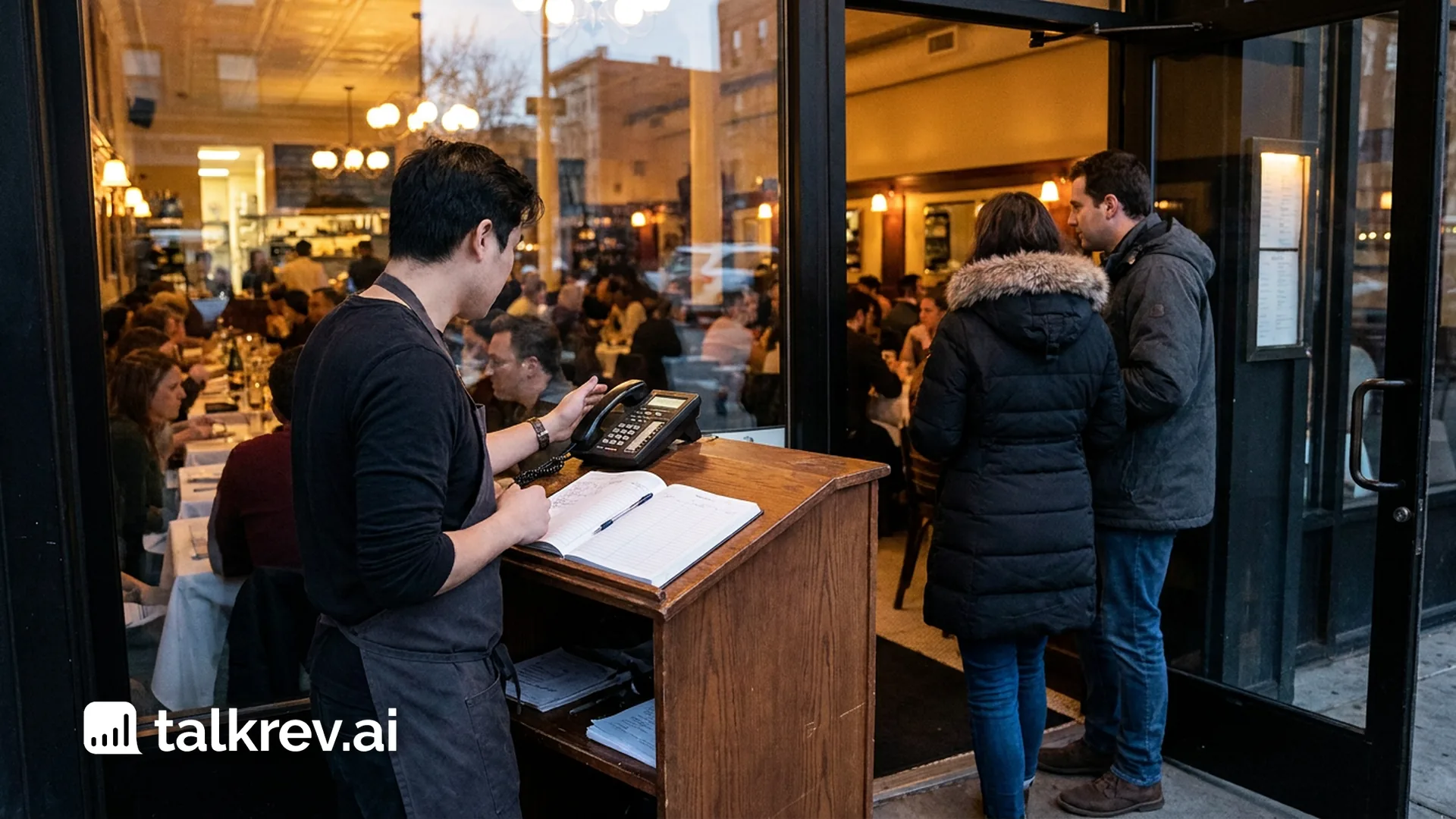
That is the part independents underestimate. The booking attempt does not politely queue on the phone. It arrives as an Instagram DM about a birthday table, an email asking whether the tasting menu can go gluten-free, a call about parking, a webchat at 11pm asking if you are open Monday. Every one of those is a cover, and most of them land while your host stand is deep in a Friday turn. The pressures behind this are the same in every dining room, from a 40-seat neighbourhood place to a group with four sites: the busiest hour is also the hour nobody can reach the handset.
The operational upside is real too. OpenTable says its table automations have now run two million times and returned an average of 39 reservable minutes per shift — time that previously went into manual table juggling.
What to check before Friday service
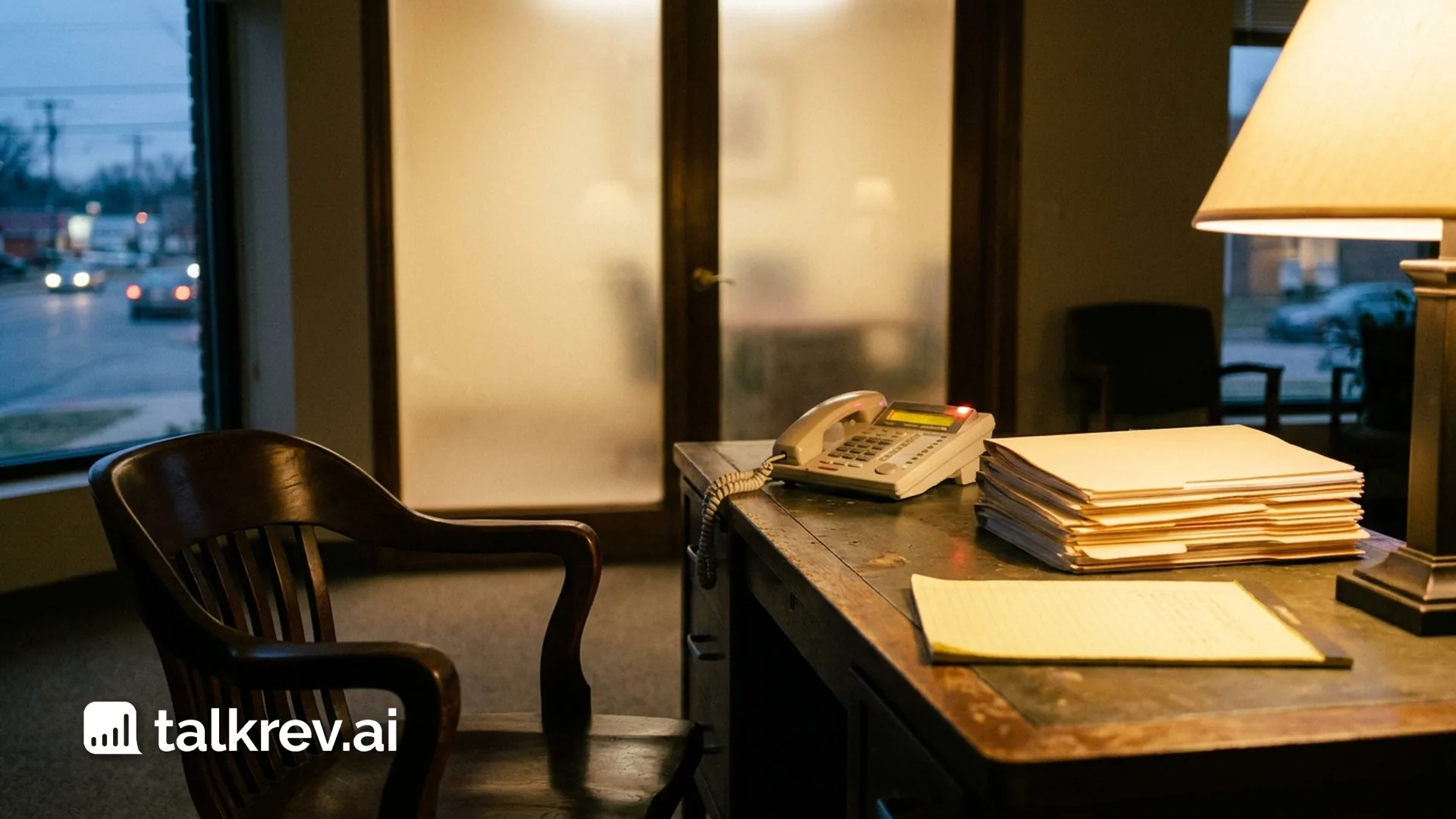
Start by measuring the leak rather than guessing at it. Call your own number twice this week: once at 7:30pm on a Friday, once twenty minutes after close. Then send yourself a webchat message, an email and an Instagram DM, and time the replies. Most operators who do this honestly find the after-hours and mid-service windows are where the bookings quietly disappear.
Next, make your details machine-readable, because assistants now answer on your behalf: current hours, full menu with allergens, private dining and catering options, cancellation policy. If an assistant cannot find it, it will describe the restaurant next door instead.
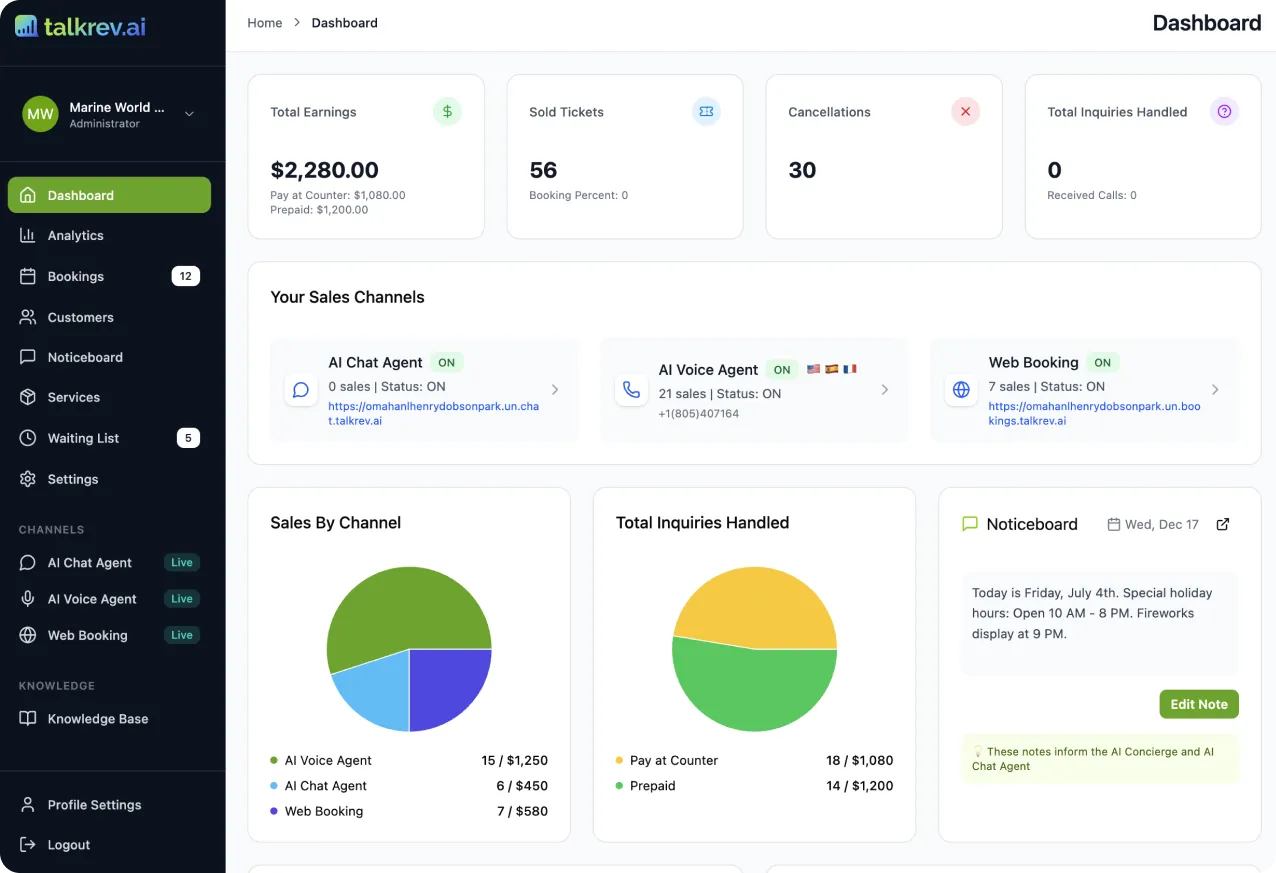
Then decide what happens to the conversations nobody reaches. Answering every call and message across every channel — around the clock, from your own menu and booking information, without adding a host to the payroll — is now a normal operating decision rather than an experiment; it is worth seeing what that looks like handling calls, chat and messages together before the next holiday rush. Doing nothing has a price that is easy to name: the guest who cannot reach you simply calls the next place on the list.
Working in food & beverage? See how TalkRev works for Food & Beverage.
The TalkRev blog
One short email per new post
No ads. Unsubscribe anytime.