Airbnb told investors on 5 November that it is building its own AI travel agent and will put it in front of guests in the first half of 2027. That is the headline, and it is a promise about next year. The number in the same letter that is already in production is the one worth reading: roughly 40% of customer support issues are now resolved without a human agent, up from about a third in the previous quarter, and support cost per booking fell more than 17% year over year — a drop Airbnb attributes largely to its AI assistant.
That is a company with nearly two decades of booking volume reporting, in its own filings, that automated answers now carry two of every five support contacts and that the unit economics moved as a result.
What the 40% is actually made of
It is not the glamorous part of the job. The work Airbnb describes its assistant handling is post-booking admin: changing a reservation, sorting out a payment that did not go through, refunds and rebooking, and round-the-clock safety questions. It operates in more than 50 languages, and voice support is expanding in the US.
The split matters more than the percentage. CEO Brian Chesky argued on the call that general-purpose assistants are already competent at simple routine transactions — appointments and reservations — but not at planning a trip, which is why Airbnb wants specialised agents covering, in his words, “every vertical in travel”. Read that as an admission with a number attached: the repetitive transactional layer is solved and worth automating now. Judgement work is a different problem.
An event is one long post-booking spike
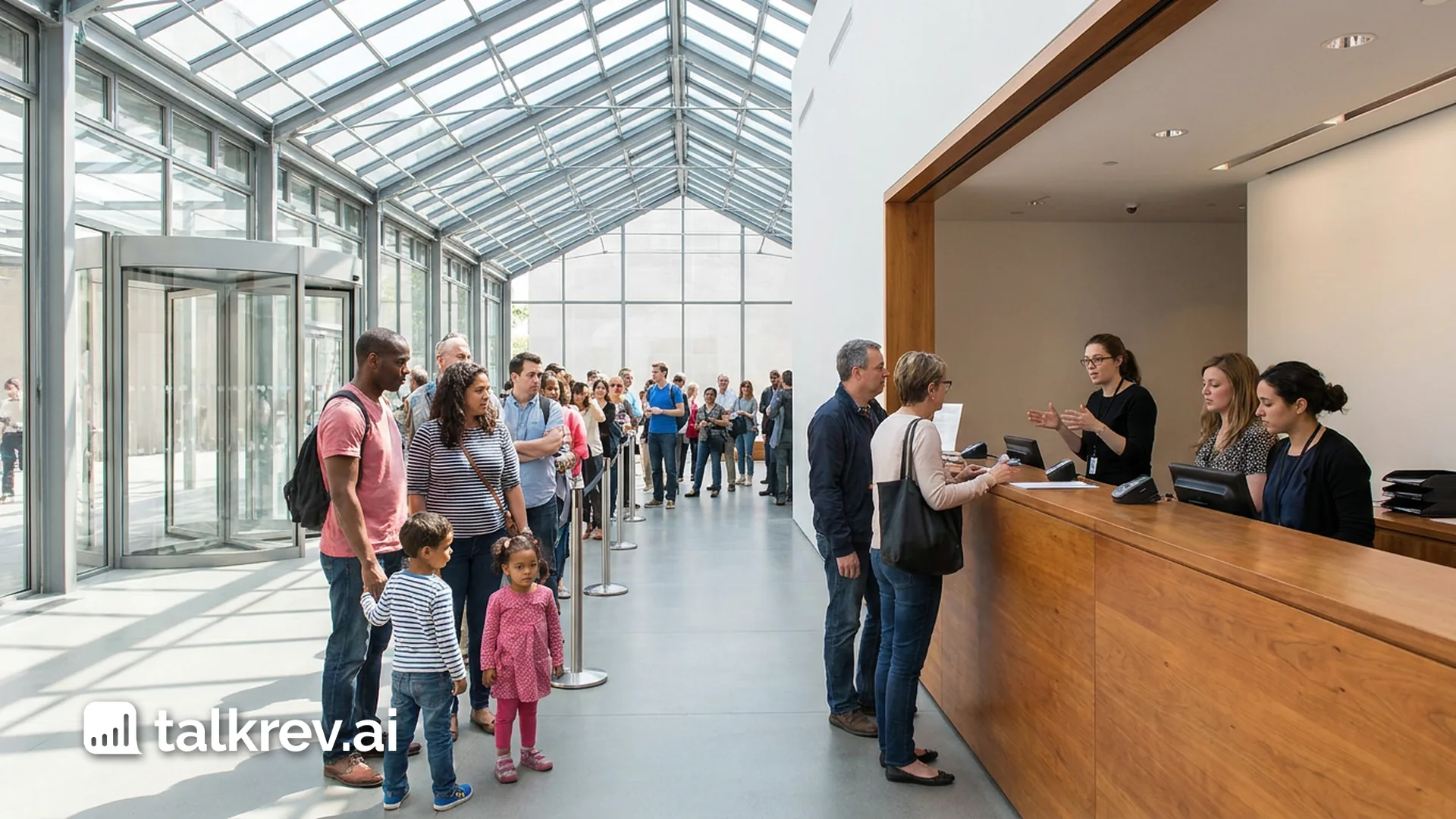
Hold Airbnb’s 40% against a conference inbox. Registration transfers because a colleague is going instead. Refund and cancellation policy questions. Confirmation emails that never arrived. Which room the 2pm session is in, where to park, whether the venue is step-free, what the dress code is. Then the exhibitor asking for the booth number and the sponsor asking what the package includes.
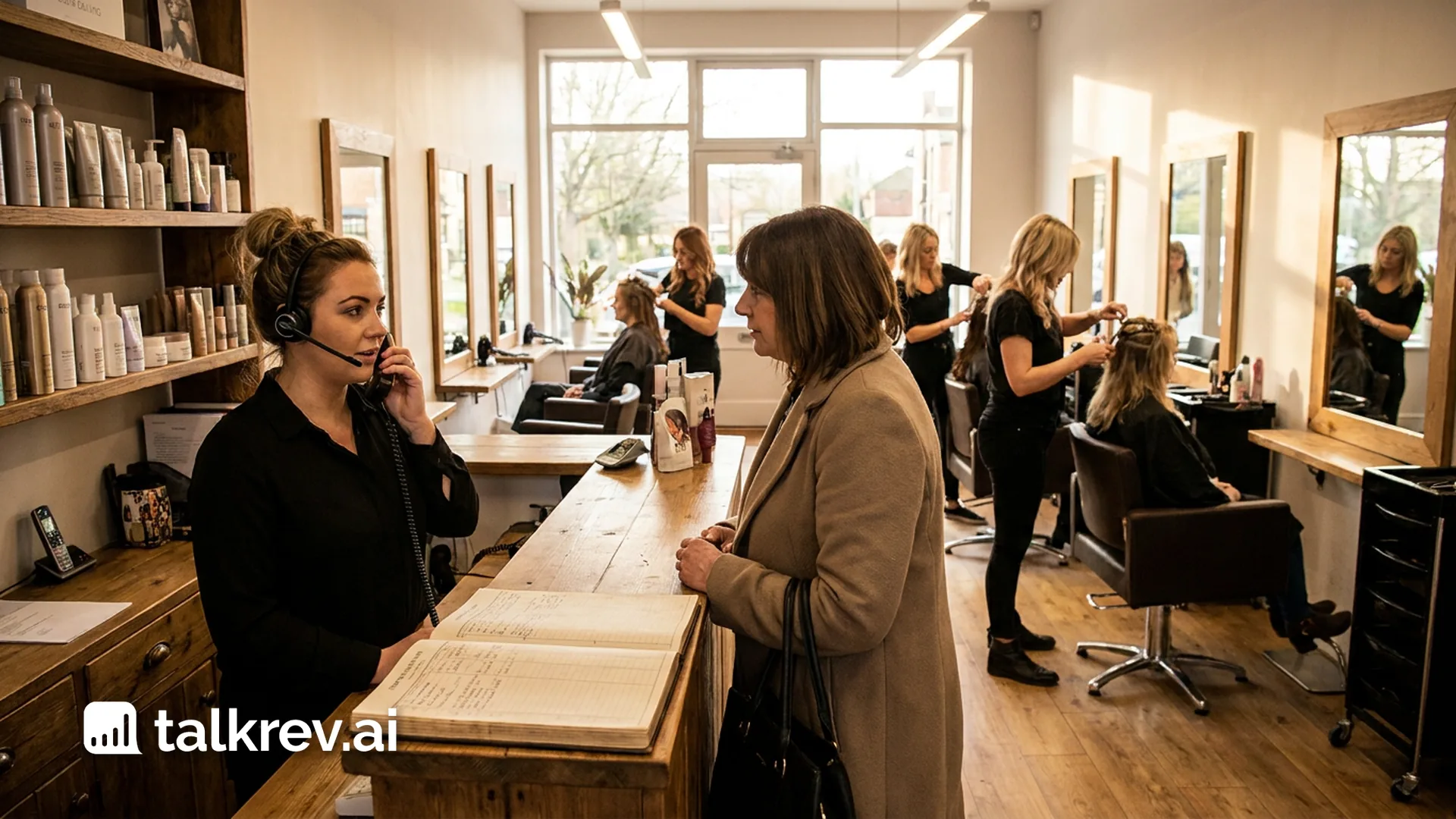
Every one of those is the same category Airbnb automated, and events concentrate them worse than almost any other business. They do not arrive evenly across the year — they arrive in the 72 hours either side of the doors opening, at every hour of the day, from attendees in several time zones and often several languages. The team fielding them is the same small team setting up the venue. That is the shape of the problem for anyone running registrations and attendee logistics, and it is why “we were slammed” is the default explanation for a slow reply.
Where organisers should start before the next event
Take your last event and do one hour of arithmetic. Pull the inbox, the call log and the chat transcripts from the week around it, tag each contact as registration and payment, logistics and schedule, or exhibitor and sponsor, and count. Then divide your total support hours by registrations to get your own cost per registration — Airbnb’s 17% only means something next to your own baseline.
Anything in those first two buckets that repeats more than twenty times is a scripted answer, not a conversation, and it should be answered on every channel at once, day and night, from your own agenda, venue and policy information. Keep the exhibitor and sponsor threads with a person: those are commercial conversations and they are where the margin is.
Do nothing and the cost is not the unanswered email. It is the attendee who refreshes their inbox at 11pm the night before and decides your event is disorganised before they have walked in.
Working in events & conferences? See how TalkRev works for Events & Conferences.
One short email per new post
No ads. Unsubscribe anytime.