On October 20, New York City’s Department of Consumer and Worker Protection proposed the first municipal rules in the US aimed squarely at automated customer service. The city called the target “AI customer service doom loops” — the bot or phone menu that answers forever and resolves nothing. What matters for anyone selling in the five boroughs is what the text actually asks for, because it is short, specific and cheap to satisfy.
Read it closely and this is not a rule against automation. It is a minimum spec for it.
Three things the text requires
First, disclosure. Using an automated system without clearly saying so at the start of the interaction, in the language the customer is using, becomes a deceptive trade practice.
Second, a way out. The rule creates a rebuttable presumption that automating customer service is deceptive and unconscionable — unless you offer the customer a human. The proposed rule text names what counts: a single-step transfer mechanism, scripted as plainly as “Press 0” or “Say or type ‘agent’”, plus an estimated wait if there is a queue. It cannot require the customer to answer more questions or justify the request first. If nobody is available, you can instead publish human hours, a phone number, a live chat, a callback, a text line, an email or a contact form — each with the timeframe in which you will actually reply.
Third, records. Merchants would keep three years of machine-readable logs: whether the transfer option was offered, whether the customer used it, and whether they reached a person.
Separately, listing a “contact us” email or number you do not monitor becomes its own violation. Penalties run $525 for a first offence, $1,050 for a second, $3,500 for a third or for a knowing violation — and each provision charged counts separately. Enforcement is not hypothetical: days before the proposal, DCWP sued a car-shopping platform over its chatbot and its pricing claims.
Why small merchants come out ahead
California’s human-customer-service law only bites companies above $500 million in revenue. New York’s proposal sets no revenue floor and no small-business carve-out, so the corner shop is covered on the same terms as the chain — and that is the good news, because the shop’s failure mode is the opposite one.
The regulated behaviour is the system that traps people. The city’s own evidence is about exactly that: Gartner finds chatbot resolution ranging from 17% on billing disputes to 58% on returns and cancellations, and a Twilio survey it cites says 40% of consumers report AI repeating itself or looping. Nothing in the rule penalises an agent that answers order status, exchange windows, sizing and holiday hours in seconds and then puts the one hard case through to the owner. That pattern — instant answers for a small retailer with a clean handoff behind it — is the compliant design, not the risky one.
What to fix before November 19
Comments close and the public hearing runs at 11:00 AM on November 19, so use the next four weeks on four checks.
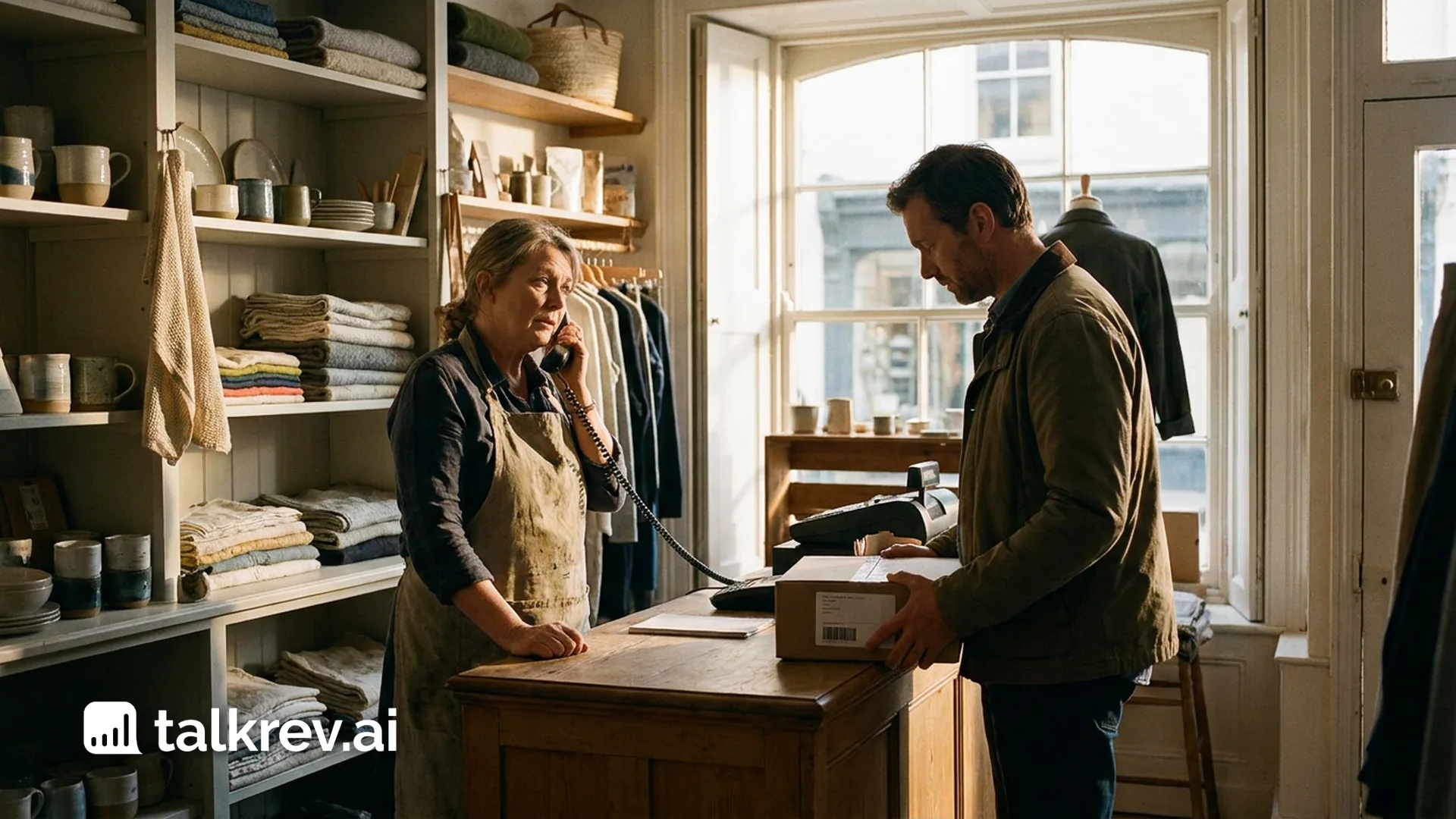
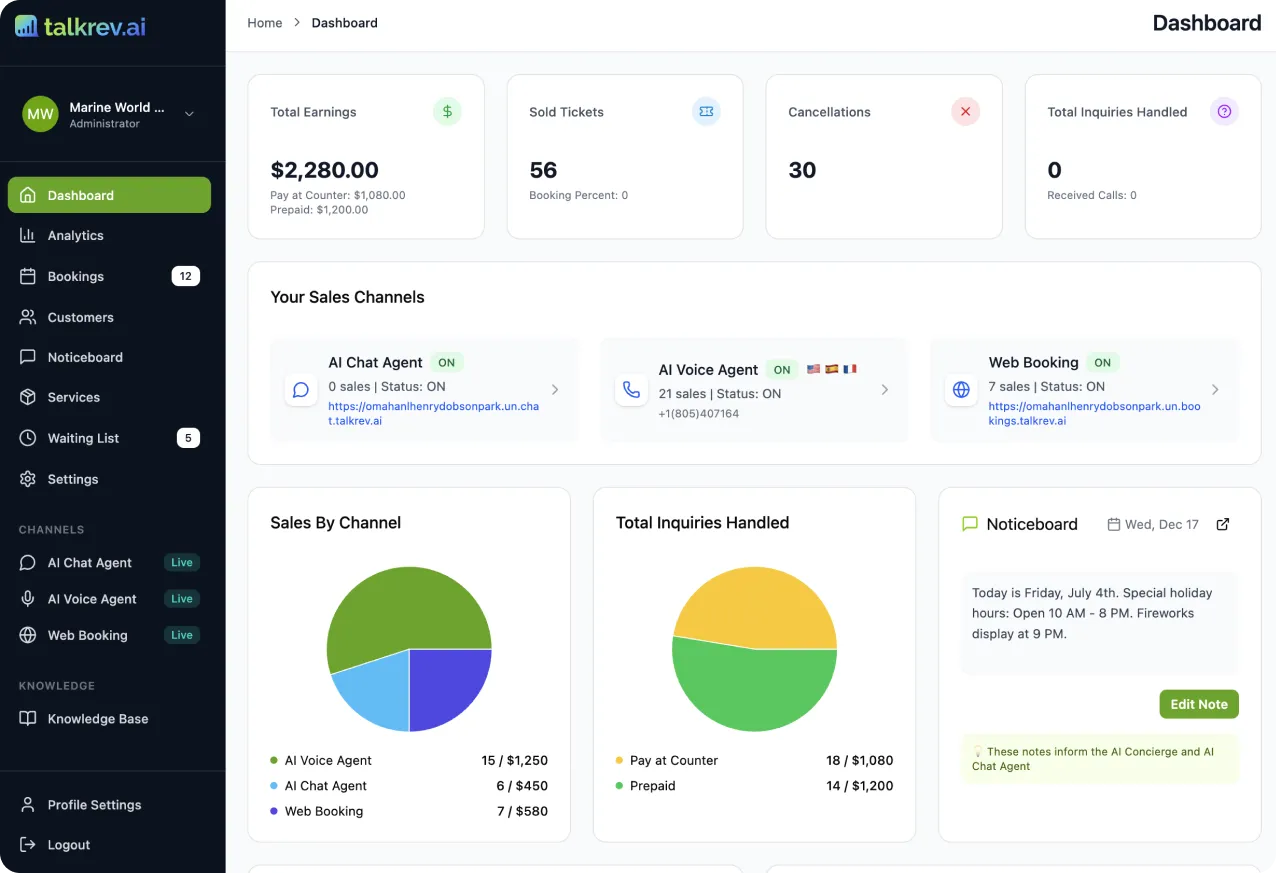
Call your own number after hours and message your own Instagram, then time the reply. Audit every channel on your contact page and delete the ones nobody reads. Write the opening disclosure line and the escape word into whatever answers first, with your human hours and a stated response time behind it. Then make sure the thing answering logs calls, chats and DMs in one place so the records exist before anyone asks.
Doing nothing costs more than $525. It costs the Saturday caller who rings a competitor instead.
Working in retail & e-commerce? See how TalkRev works for Retail & E-commerce.
The TalkRev blog
One short email per new post
No ads. Unsubscribe anytime.