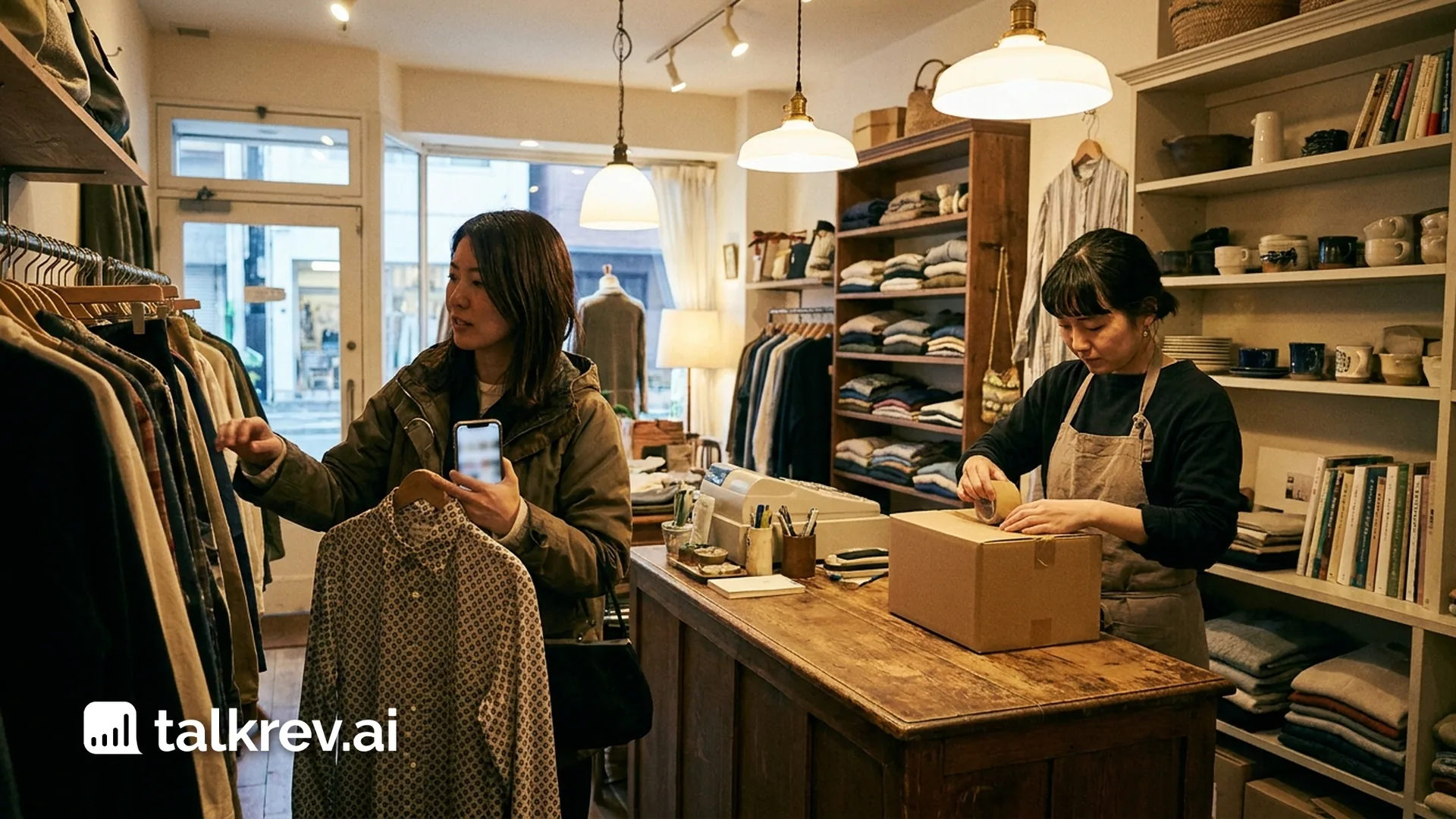
McKinsey surveyed roughly 21,000 consumers across 11 markets in June and published the results on 28 October. Across those markets, 53% of people now use AI somewhere in their shopping. Among those who do, 29% say an AI chat or search tool had the biggest influence on their most recent purchase — three times the 9% who credit a traditional search engine, and more than retailers’ own platforms and assistants put together, at 21%.
The split underneath that headline is the part worth acting on. At the inspiration stage, 45% of AI shoppers reach for a general chat or search tool and 23% use a retailer’s own assistant. At the moment of purchase the order flips: 15% completed the buy through a retailer’s assistant, against 14% through a general AI tool.
Discovery left your website. The close didn’t.
No independent shop is going to out-recommend ChatGPT at the top of the funnel, and the survey says you don’t have to. The general assistant builds the shortlist; the retailer’s own assistant is what people actually finish with. That makes the shopper’s arrival — already researched, already narrowed to two options — the single highest-value conversation you own.
And it is getting busier fast. McKinsey’s agentic commerce research found that among US AI users, purchases made through AI rose from 10% in December 2025 to 17% — a 70% jump in under a year. US adoption overall sits at 48%, below the 11-market average of 53% and well behind China’s 80%, so American shops have a short grace period that is closing. Whether you run one boutique or three stores, that arriving conversation is where a retail business like yours wins or loses the sale.
Agents influence far more than they buy — for now
It helps to be precise about what “agentic commerce” means in practice today. On DoorDash’s Q3 earnings call on 30 October, CEO Tony Xu said third-party agents such as Muse, Instinct and Fo had produced “maybe several hundred orders in total” — against a platform averaging around 3 million deliveries a day, as TechCrunch reported. Agents are shaping decisions at enormous scale and transacting at almost none.
McKinsey nonetheless projects more than $3 trillion of global consumer commerce flowing through AI agents by 2030. The gap between those two facts is your window: the traffic is already AI-influenced, but the conversation still lands on you.
What to check before the holiday peak
Start by asking a general assistant what it says about you. Query ChatGPT and Gemini for “best [your category] shop in [your town]”, then for your store by name, and note every wrong or missing fact: hours, locations, delivery windows, return terms. Fix those in plain text on your own pages — not inside a widget or an image — because that is the copy the assistants read.
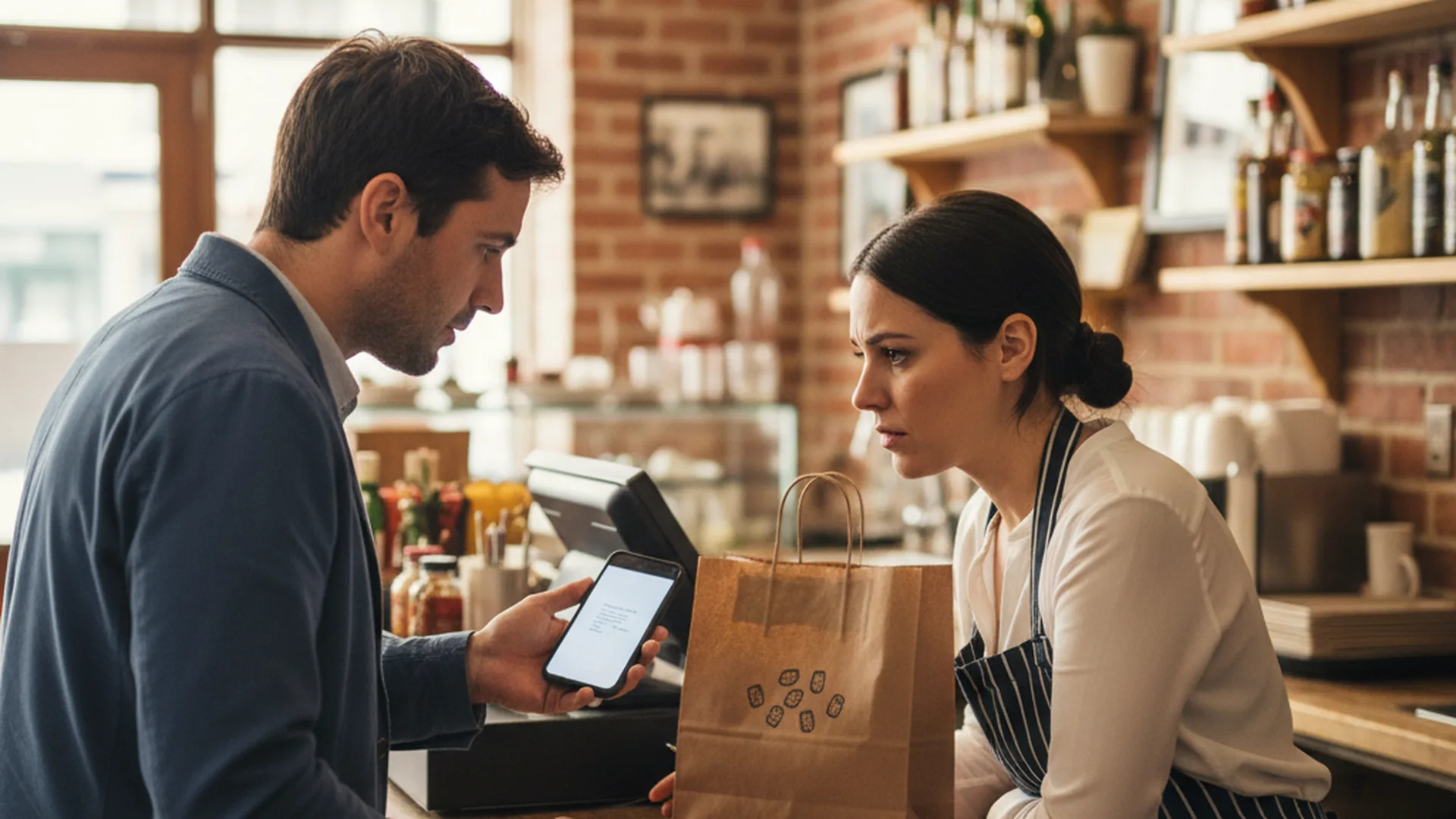
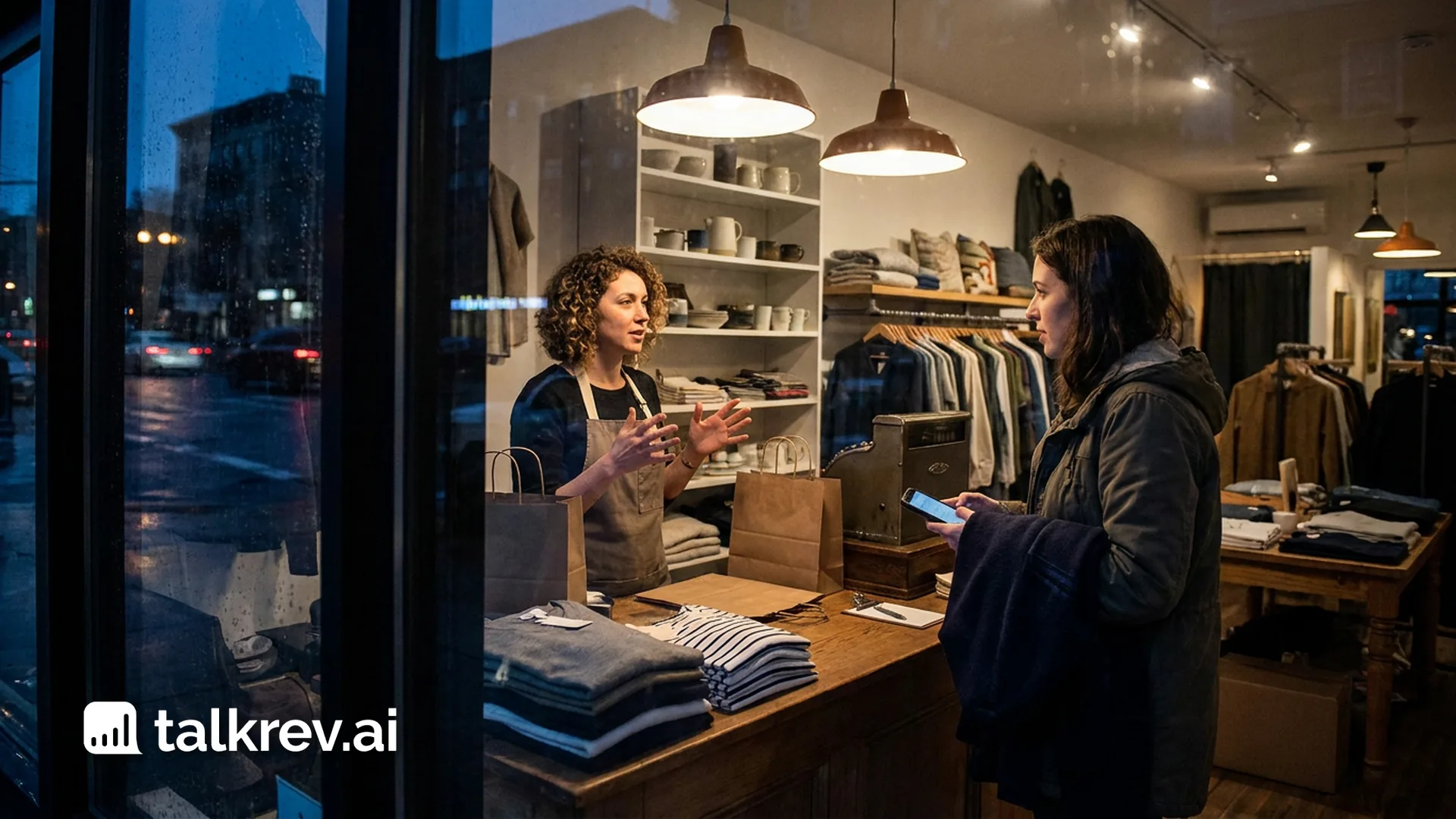
Then handle the arrival itself. AI-referred shoppers turn up mid-decision, often after you’ve closed, and ask the same short list: does it fit, can I return it in store, when does it ship, do you take this gift card. If your answer is a contact form and a reply tomorrow, the 45% who started on a general assistant simply go back and pick the other shortlisted shop. Have something that answers every message and call the hour it arrives, on the site, on WhatsApp and on the phone, without adding floor staff — here is what that looks like across channels.
Do the audit this week. Holiday traffic lands on whatever your pages and your inbox say in December, not on what you meant to fix.
Working in retail & e-commerce? See how TalkRev works for Retail & E-commerce.
One short email per new post
No ads. Unsubscribe anytime.