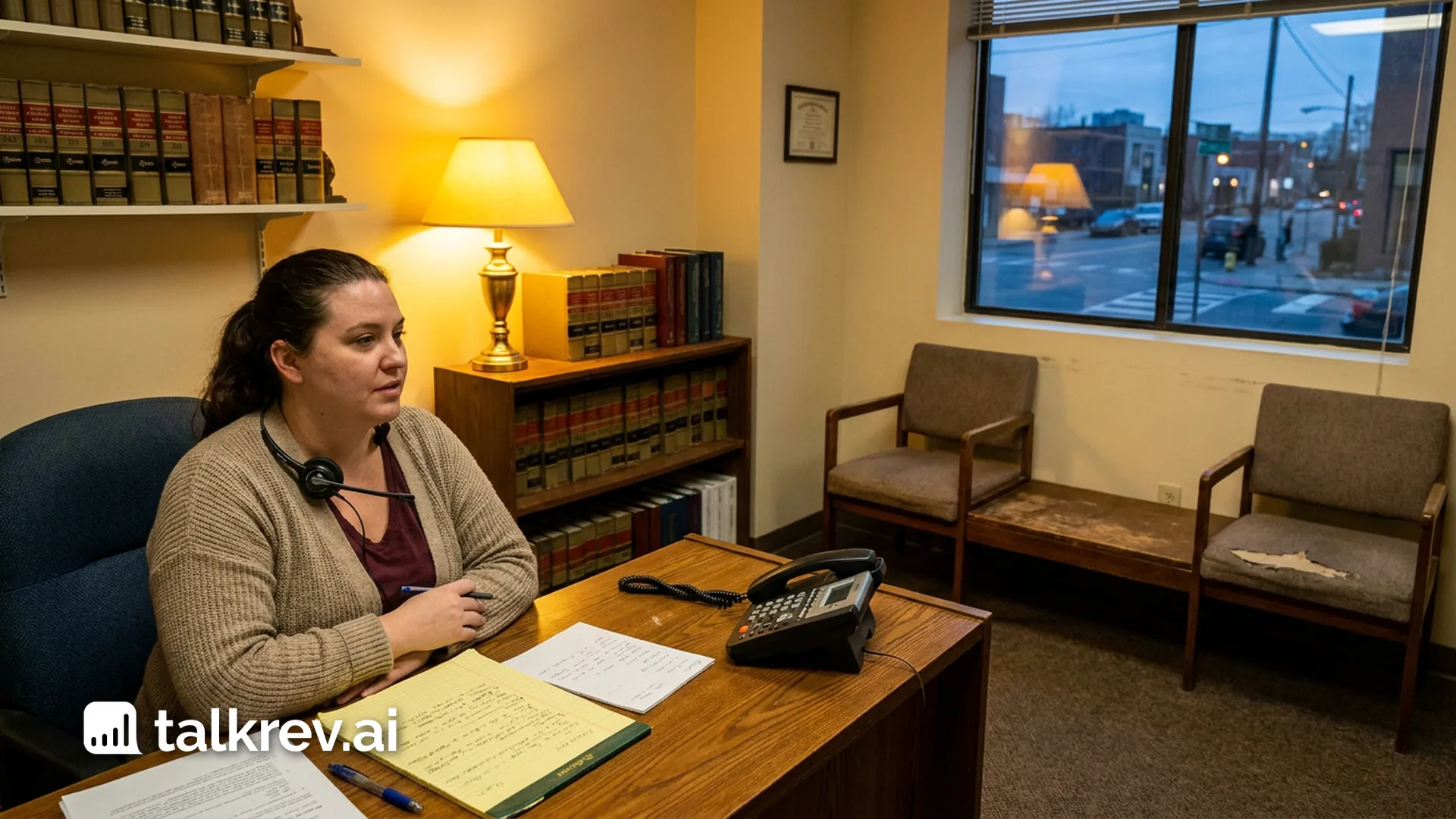
On 2 November Salesforce signed a definitive agreement to acquire Cresta, a company whose entire product is AI that talks to customers on the phone. Salesforce described it as a “voice-first operating system for customer experience”: agents that resolve complex calls end to end, hold real-time conversations, handle being interrupted, and coach the human reps who take everything else. Marriott, Comcast and Alaska Airlines are named customers. Dealroom put the price at about $2.7bn, citing a person familiar with the plan; Salesforce has not confirmed a figure.
The number that makes the deal worth reading arrived a day later, on Twilio’s third-quarter call: voice AI, CEO Khozema Shipchandler said, is still at “1% penetration in terms of the total available voice minutes out there.”
The expensive channel is the empty one
Those two facts belong together. “Voice is where service is hardest to get right, and where it matters most to customers,” said Kishan Chetan, who runs Service Cloud at Salesforce — a company that has now spent roughly $3.6bn on Fin, Intercom’s support agent, in June and a reported $2.7bn on Cresta in November, both on the same problem.
Meanwhile the usage numbers stay small. Twilio’s voice revenue grew “20 percent plus” on volume and software add-ons, and its CEO called this the “very early stages of an AI supercycle” with 99% of voice minutes still to go. The examples Twilio gave on that call were concrete: Eltropy’s voice agents resolve up to 70% of routine member calls, and Ushur’s automate 20% or more of inbound volume. So the capability is proven enough that the enterprise market is paying billions for it, and almost nobody’s phone line is using it.
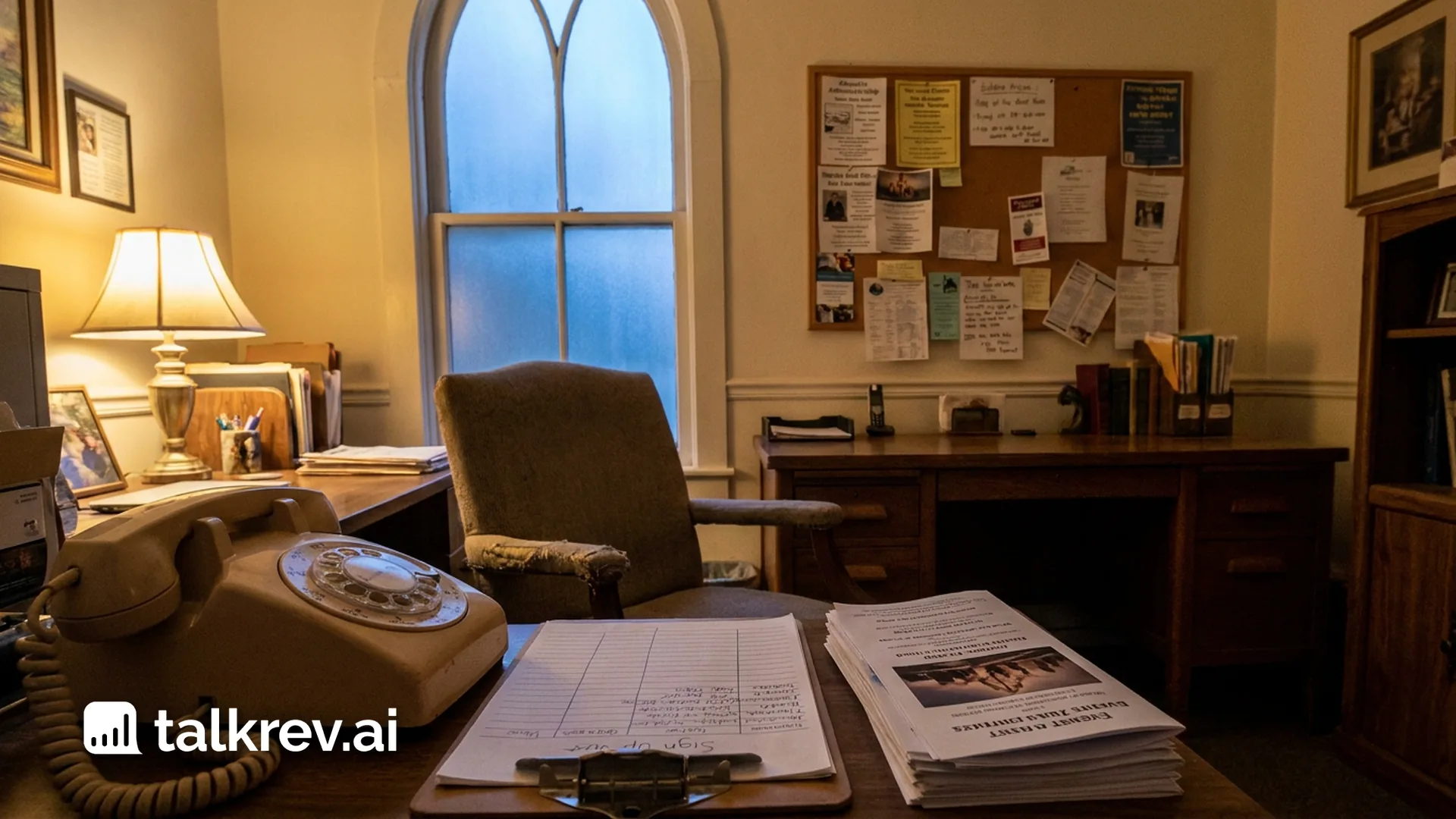
What the empty 99% sounds like in a church office
Call volume in a church office is weighted to the same handful of questions: service times, which campus, where to park, how kids check-in works, whether the building is accessible, how to sign up for Saturday. They arrive on evenings and weekends, when nobody is at the desk, and the same six come back the week after.
The rest of the calls are the opposite kind — a death in the family, a counselling request, somebody asking for a hospital visit. Chetan’s line about voice mattering most is literally true of those, and they are the ones that get missed while the office works through the first kind. That split is the whole argument for putting an agent on a church line: it answers the repeat questions so a person is free for the call that needs one. Nothing pastoral should be answered by software, and it does not have to be.
Where to start before the next big Sunday
Pull last week’s calls and sort them by reason. If five or six questions account for most of the volume, that list is your script — and it is also what should already be on your site.
Then check what a caller actually hears at 8pm on a Tuesday, and during Sunday services when the phone is loudest and the office is emptiest. Voicemail nobody clears is a lost registration.
Write the do-not-answer list before you turn anything on: prayer, bereavement, counselling, emergencies route to a named person with a phone number, never a queue. Then look at how one agent covers the line and the messages together, so a text on Friday night gets the same answer as a call on Monday.
Measure three things for a month: calls answered outside office hours, sign-ups completed without staff touching them, and escalations that reached a human. Enterprises are paying billions to bolt this onto stacks built in 2010. A church office starts from six questions and one phone number. At 1% penetration nobody is behind yet — which is only a comfortable thought until somebody down the road sets theirs up first.
Working in churches & communities? See how TalkRev works for Churches & Communities.
One short email per new post
No ads. Unsubscribe anytime.